UK Fast-Food Chains Unite for Dairy Carbon Cut Tool

A collective of major UK fast-food companies has launched a standardized carbon reduction tool aimed at slashing emissions across dairy supply chains. Developed as an industry-first initiative, the tool provides a consistent methodology for measuring, reporting, and reducing greenhouse gas emissions (GHGs) from dairy suppliers—ranging from farms to processors. This initiative responds to growing pressure…
A Looming dairy drought will stunt the world’s growth
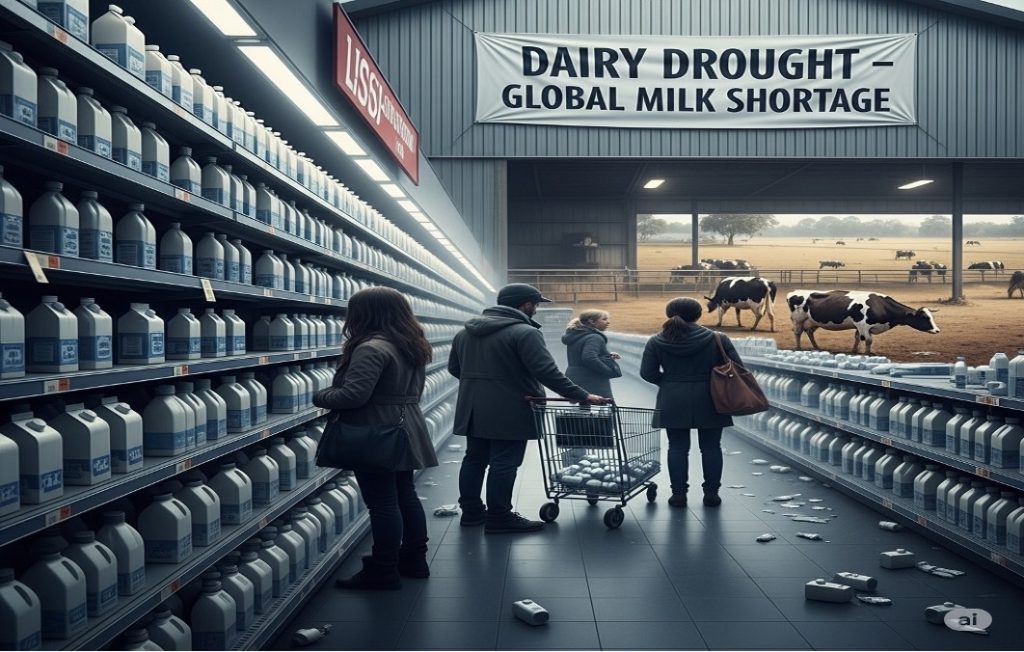
It’s every baby’s first food, and we can’t get enough of it. The world produces close to a billion metric tonnes of milk each year — more than all the wheat or rice we grow. That lead is set to widen over the coming decade, with dairy consumption expected to grow faster than any other…
Canada, NZ Settle Dairy Quota Dispute Under CPTPP
Canada and New Zealand have formally resolved a high-stakes dairy trade dispute under the Comprehensive and Progressive Agreement for Trans-Pacific Partnership (CPTPP). The two countries clashed over Canada’s administration of dairy tariff-rate quotas (TRQs), which New Zealand claimed unfairly restricted access for its exporters and favored Canadian processors, violating free trade obligations. New Zealand initiated…
Microplastics Disrupt Milk Quality: New Toxicological Evidence

A new scientific study published in NeuroToxicology provides compelling experimental evidence that chronic exposure to microplastics can significantly impair milk production and quality. Using a controlled rat model, researchers demonstrated that long-term ingestion of microplastics leads to physiological and neurological disruptions in lactating subjects. Key findings include oxidative stress in brain tissues, altered neurotransmitter levels,…
Whey’s Rise: Dairy’s New Trade Power
The global dairy industry is undergoing a transformation driven by booming demand for whey protein, turning a once-overlooked byproduct of cheese-making into a high-value commodity. Whey’s explosive growth stems from its widespread use in fitness supplements, sports nutrition, and emerging weight-loss markets—particularly among users of GLP-1 drugs like Ozempic and fitness-conscious consumers. This protein surge…
Global demand for dairy to rise but nutrition gaps remain
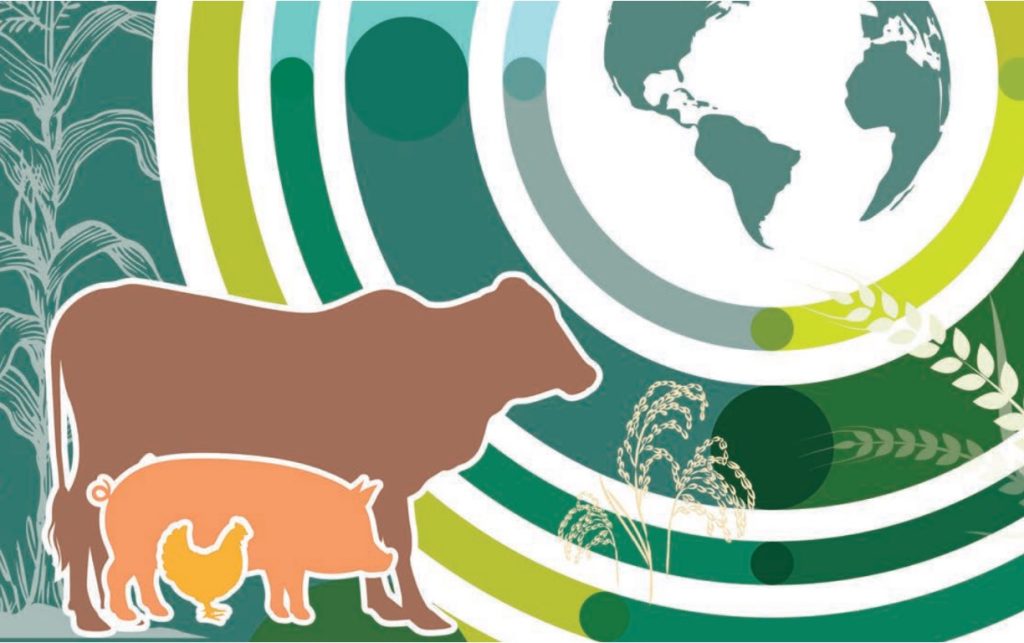
Global demand for meat, dairy and fish is projected to climb steadily over the next decade, driven by rising incomes and urbanisation in middle-income countries. However, persistent nutritional gaps and mounting environmental pressures reveal a complex path ahead, according to a new study by the UN Food and Agriculture Organization (FAO) and the Organisation for…
China’s Dairy Market Recovery Expected by Mid-2026
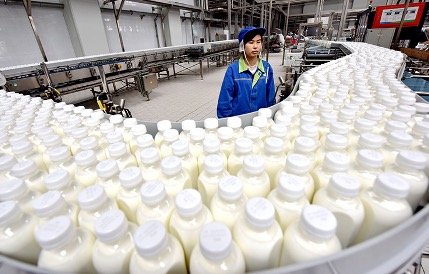
China’s dairy sector, which has been under intense margin pressure due to overcapacity, subdued demand, and falling milk prices, is expected to take at least one more year to recover, according to market experts. The sector, which previously saw rapid expansion, especially post-pandemic, now finds itself in a correction phase. Many large farms are reporting…
Microplastics in Milk and Cheese in Italy- Research report
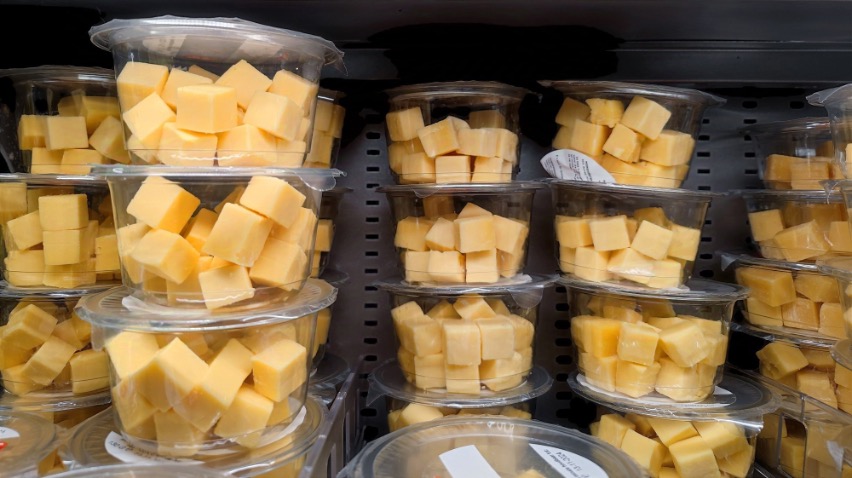
In a recent study published in the journal npj Science of Food, a group of researchers quantified and characterized microplastic (MP) contamination in milk, fresh cheese, and ripened cheese sold in Italian supermarkets. Background What if your morning latte came sprinkled with tiny plastic flakes that slip past the tongue? Scientists estimate that people ingest tens…
India–Australia CECA Talks Stall Over Dairy & Wine Tariffs
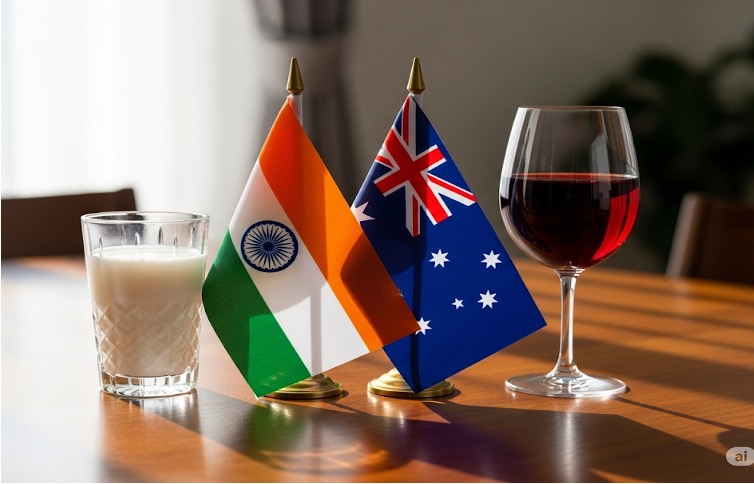
Negotiations for the Comprehensive Economic Cooperation Agreement (CECA) between India and Australia have reached an impasse due to deep disagreement over dairy and wine tariffs. Australia is pushing for accelerated tariff cuts on premium wines and expanded market access for dairy products—especially cheese, high-protein whey, and lactose—currently facing import duties of 20–30% in India. Under…
US Challenges India’s Dairy Certificate Rule at WTO

The United States has raised formal objections at the WTO against India’s integrated veterinary-health certificate requirement for dairy imports, describing it as an “unnecessary trade barrier.” The regulation—mandating that imported milk and milk products be certified free from antibiotics, pesticides, heavy metals, and sourced from animals not fed animal-based proteins—is argued to disproportionately disadvantage US…