NZ Dairy Feature: Farmers Flush with Cash, but Risk Looms
New Zealand dairy farmers are riding high this year: a record $10/kgMS milk payout from Fonterra, coupled with a $3.2 billion capital return after the co-op sold its consumer brands (like Mainland) to Lactalis. But this windfall comes with a caution. The central concern? If farmers reinvest heavily into more production, they risk repeating history:…
How Infrared Imaging Spots Subclinical Mastitis Early
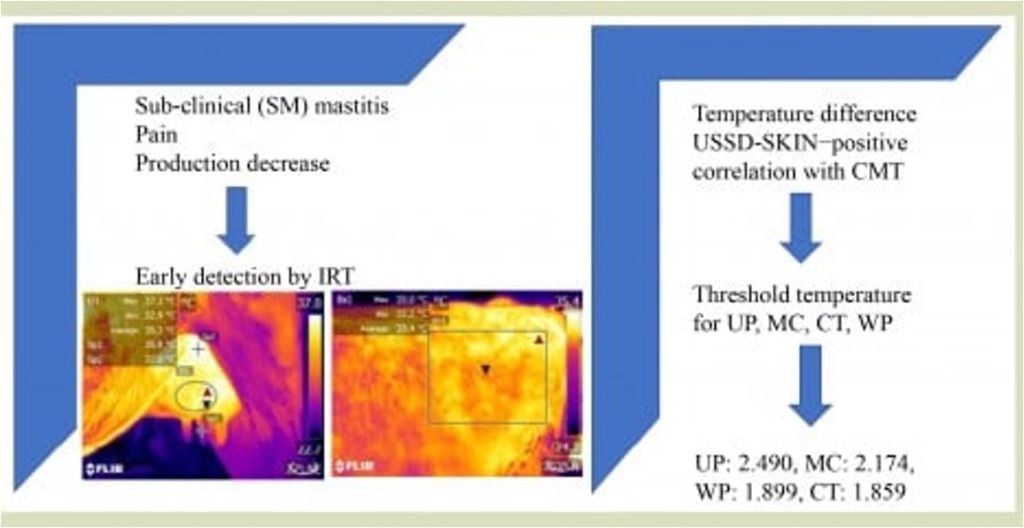
The article describes how infrared thermography (IRT)—a non-invasive imaging method—can accurately screen for subclinical mastitis (SM) in dairy cows by measuring the skin surface temperature of the udder relative to surrounding body parts. In one dataset cited, SM-positive quarters (udder quarters) showed a statistically significant higher udder skin surface temperature (USST) compared with healthy quarters….
Thailand declares its cow milk 100% safe: Minister
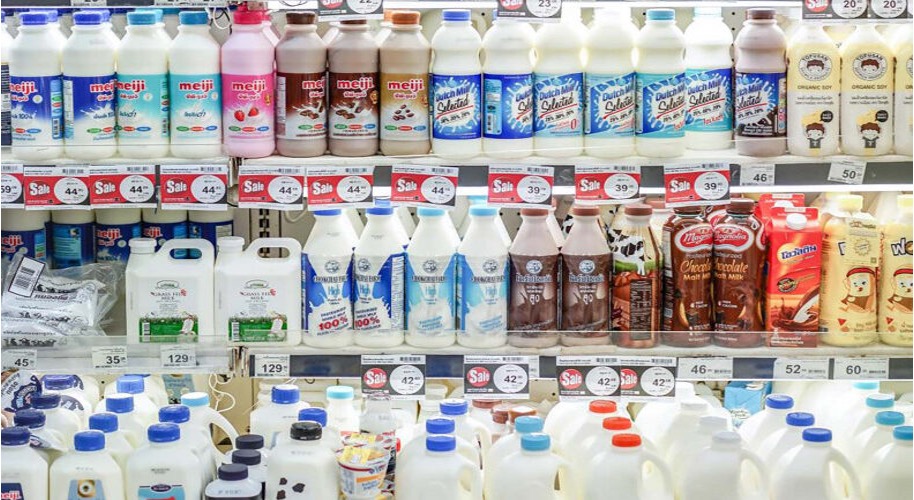
Thailand’s Department of Livestock Development (DLD) has reaffirmed that locally produced cow milk is completely safe and meets international food safety standards. The assurance came amid growing consumer concerns triggered by social media posts questioning milk purity. Livestock Development Minister Thammanat Prompao stated that rigorous monitoring systems are in place at every stage of the…
IFF’s 2026 Dairy Trends: Purpose-Driven Growth Ahead

The global dairy sector is entering a new phase, according to IFF’s latest “2026 Dairy Trends Report”, which signals that consumer behaviour is shifting beyond simple nutrition toward purpose, sustainability and holistic wellbeing. IFF highlights that dairy brands must now consider not just what their products deliver, but why they exist — aligning with evolving…
Dairy cows in UK breed reduce methane — “Cool Cows” project
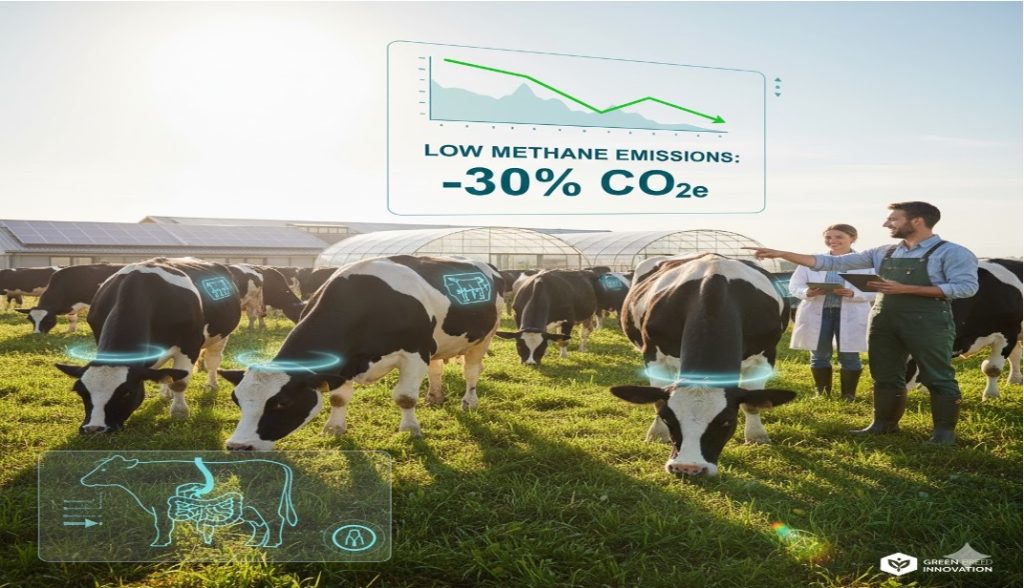
Researchers in the UK are working on an innovative project known as the Cool Cows initiative, which aims to reduce methane emissions from dairy cows by using genetic selection and in-vitro fertilisation (IVF) to breed animals that naturally emit less methane. According to the reporting, each new generation of cows bred under this programme could…
India’s dairy sector sustains strong growth momentum
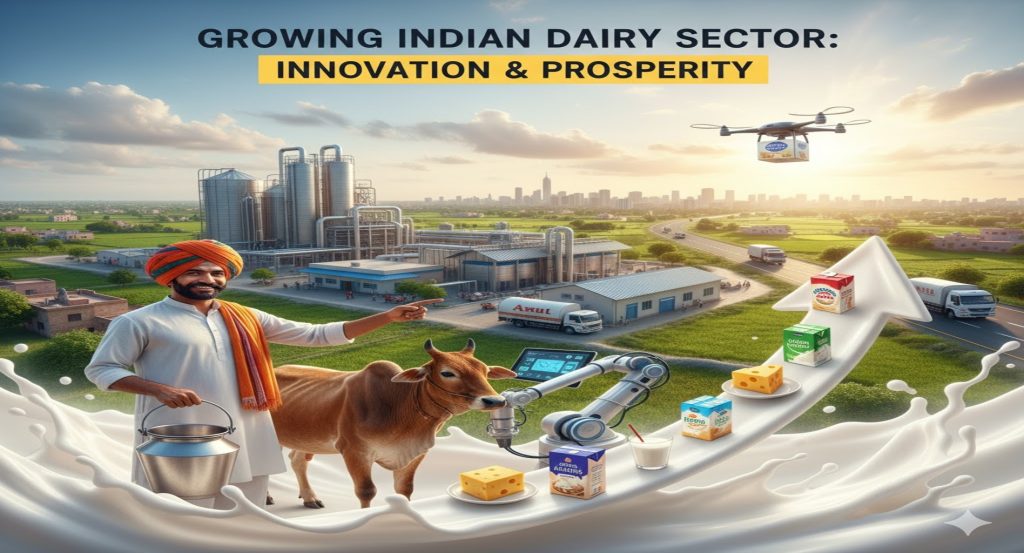
India’s dairy sector continues to evolve as one of the most dynamic components of the global food economy, according to a recent assessment by the Agriculture and Horticulture Development Board (AHDB), UK. Despite facing challenges like climate variability and rising production costs, India remains the world’s largest milk producer and consumer, accounting for nearly a…
Recombinant dairy startup Remilk unveils “New Milk” launch
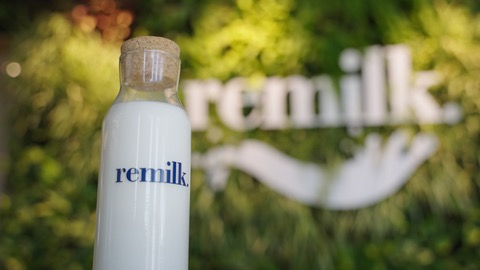
Israeli startup Remilk has launched a new product called “New Milk”, in partnership with dairy firm Gad Dairies, marking what the company describes as a “new phase” in the recombinant-dairy category. The milk is made with recombinant dairy proteins produced via fermentation, rather than from cows. It is being rolled out in cafés, restaurants and…
Gates-backed lab invents milk container to cut spoilage
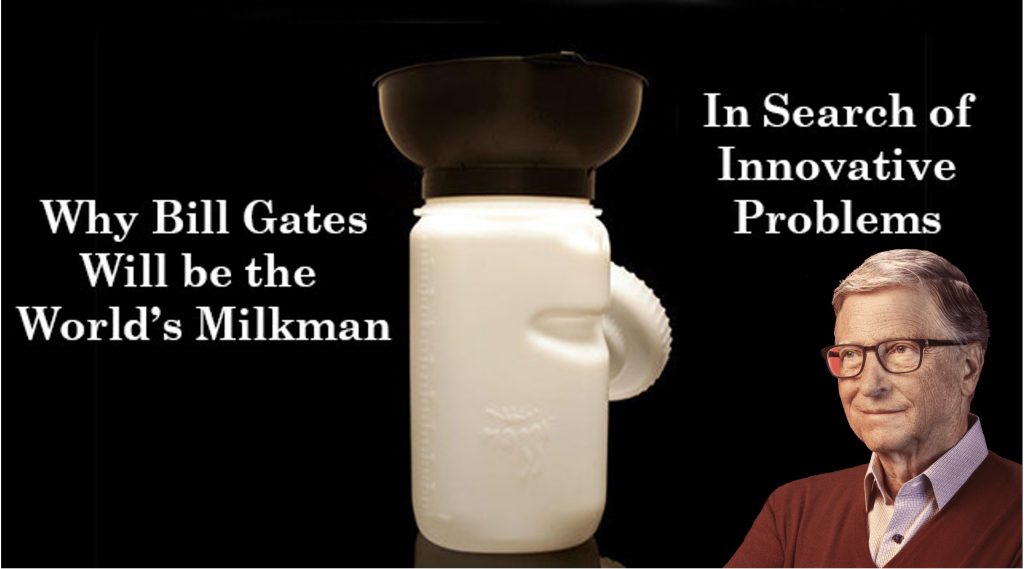
A new initiative backed by Bill Gates is targeting the dairy supply-chain in developing countries, aiming to reduce spoilage and improve milk quality for small-scale farmers. The project, carried out in collaboration with Global Good and Intellectual Ventures Laboratory, has developed an improved milking and transportation system specifically designed for smallholder dairy producers. Traditional milk-collection…
Swiss Milk Glut Sends Warning Signal to Global Dairy Sector
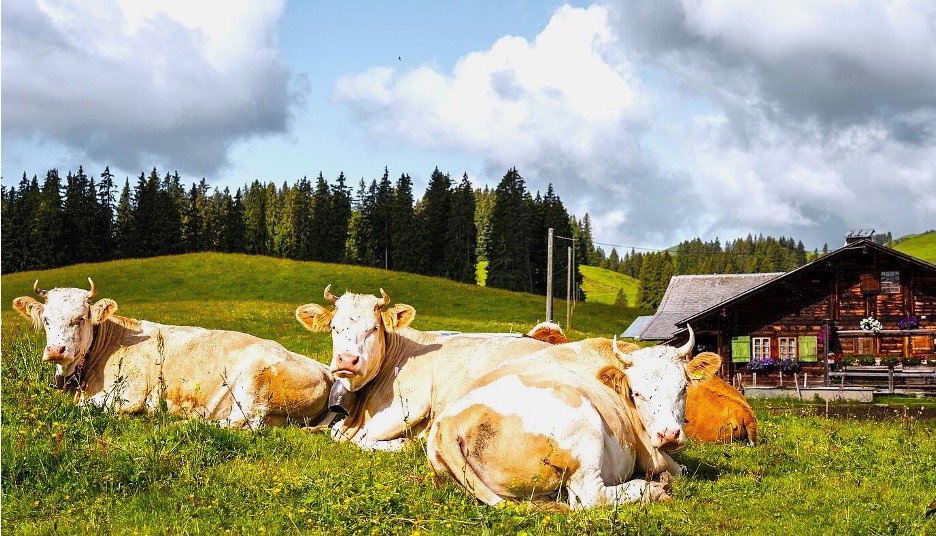
Swiss dairy farms are facing an unprecedented surplus after the U.S. imposed steep 39% tariffs on Swiss goods, including cheeses — forcing producers to confront excess milk supply and shrinking export pathways. (IP Lait recommended cutting production by 50,000 tonnes — roughly the output of 25,000 cows — to manage the imbalance. The tariffs have…
Safer Dairy Products With Fewer Chemicals: New Research Breakthrough
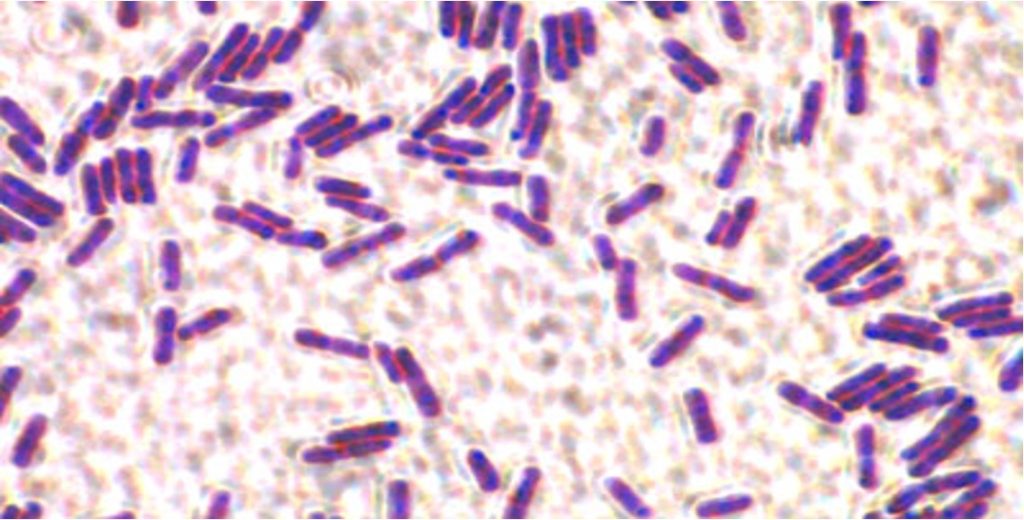
Researchers at Umeå University have launched a major new project, backed by SEK 6 million, to tackle the persistent challenge of Bacillus spores in dairy plants — the hardy bacterial form that survives pasteurisation and conventional cleaning procedures. The research has two main goals: first, to map where spores attach in processing systems (tanks, pipes,…