UK Milk Surge Triggers Sharp Commodity Price Fall
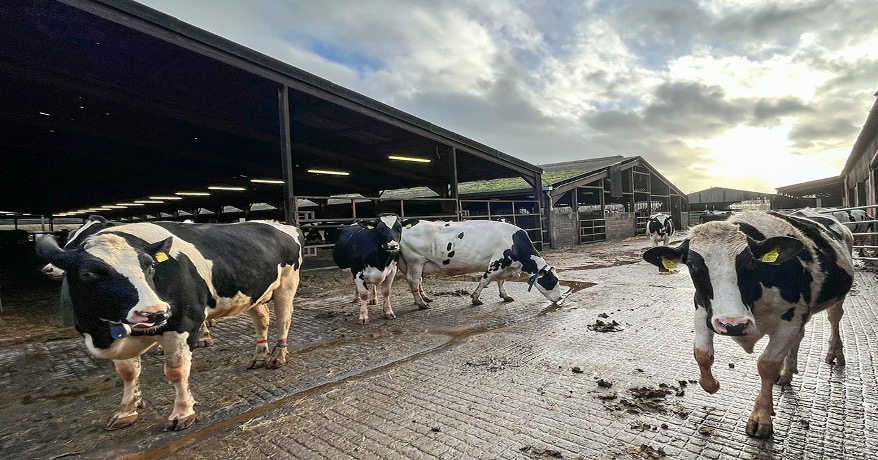
Milk supplies in the UK have surged far beyond normal levels, putting sharp downward pressure on dairy commodity prices, according to the latest report from the Agriculture and Horticulture Development Board (AHDB). Great Britain’s milk output for the current year is up 5.3% (331 million litres) compared to last year, while total UK milk production…
UAE Dairy Market Blends Innovation with Wellness

The United Arab Emirates (UAE) is fast emerging as a regional leader in innovative and health-driven dairy products, driven by consumer awareness, sustainability goals, and government-backed technology investment, according to Vocal Media’s feature “Cream of the Desert.” Rising demand for health-oriented dairy The UAE’s dairy consumption patterns are shifting toward high-protein, lactose-free, probiotic, and fortified…
China’s Dairy Imports Hold Steady Amid Slow Economy

China continues to import significant volumes of butter, cheese, and milk powders despite slowing economic growth and expanding domestic milk production. However, overall import levels remain below their historical highs, says Betty Berning, analyst with the Daily Dairy Report. According to Berning, China’s push toward dairy self-sufficiency—through heavy investments in large-scale farms—has reduced import values…
Dairy By-Products Upcycled into Clean Water & Bio-Fertilisers
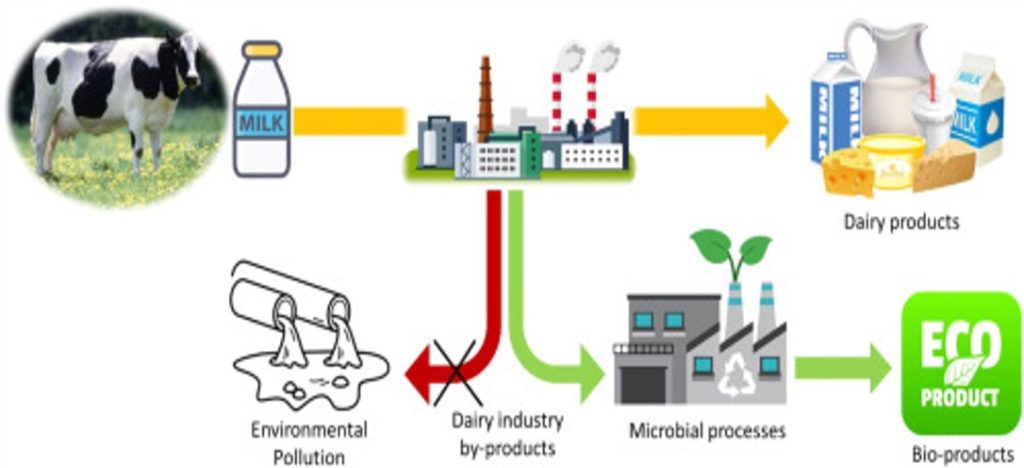
Europe’s dairy industry processes more than 155 million tonnes of milk annually, producing vast quantities of by-products—80 to 90% of which become whey. Among these, “acid whey” stands out: its biological-oxygen demand (BOD) can be a catastrophic 175 times higher than municipal sewage. New recycling tech is transforming this problem into opportunity. For example, one…
Dairy Trade: Good Times and Uneasy Warnings
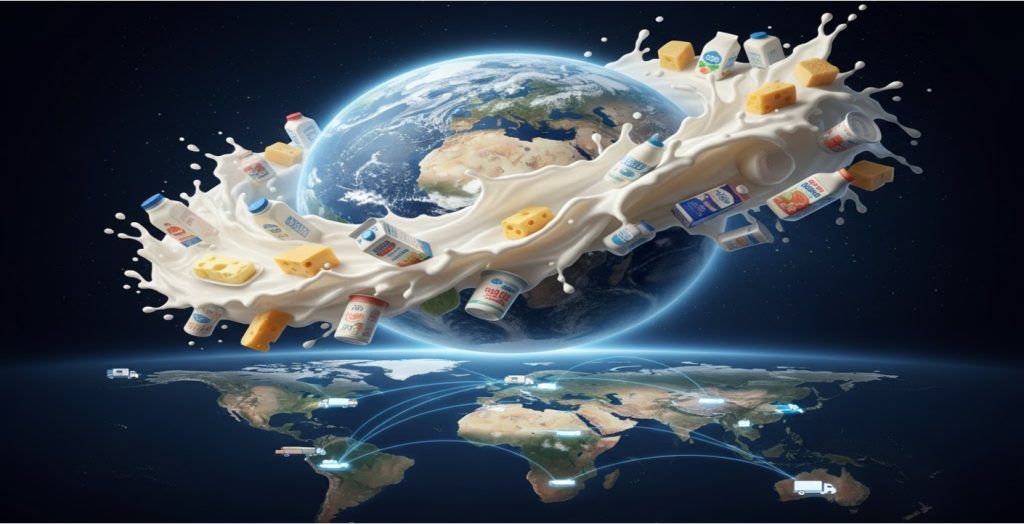
Global dairy trade is enjoying bullish momentum thanks to strong demand, rising commodity prices, and shifting supply constraints. Export volumes of U.S. cheese climbed 16% year-on-year, while exports of anhydrous milk fat surged 448% in early 2025. However, underneath the surface of these gains lie fragilities—volatile input costs, stretched supply chains, and concentration of processing…
Whole-Fat Dairy Linked to 24% Lower Heart Disease Risk
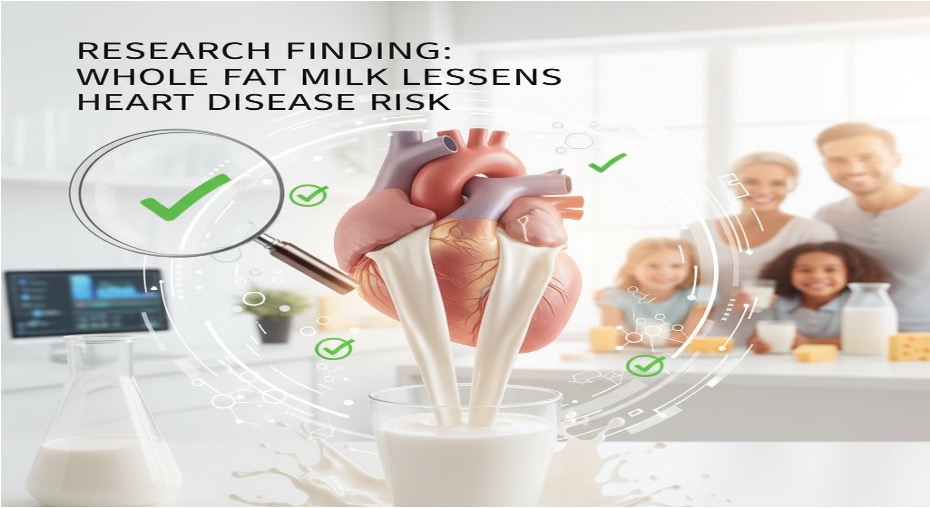
A new long-term study by University of Minnesota School of Public Health found that higher consumption of whole-fat dairy products is associated with a 24% lower risk of coronary artery calcification (CAC) compared with low consumers. The analysis used data from the Coronary Artery Risk Development in Young Adults (CARDIA) Study spanning more than 3,100…
Co-ops Key to Food Security: India’s Dairy Model Leads

According to an analysis by Reuters, cooperatives are emerging as essential to global food security and sustainable agrifood systems. The article highlights that during the 2025 International Year of Cooperatives, numerous global examples underscored how member-owned structures deliver resilience, fairness and scalability. In India, the dairy cooperative model through Gujarat Cooperative Milk Marketing Federation (Amul)…
NZ Dairy Structure: One Major Firm, Strong Follower & Niche Players
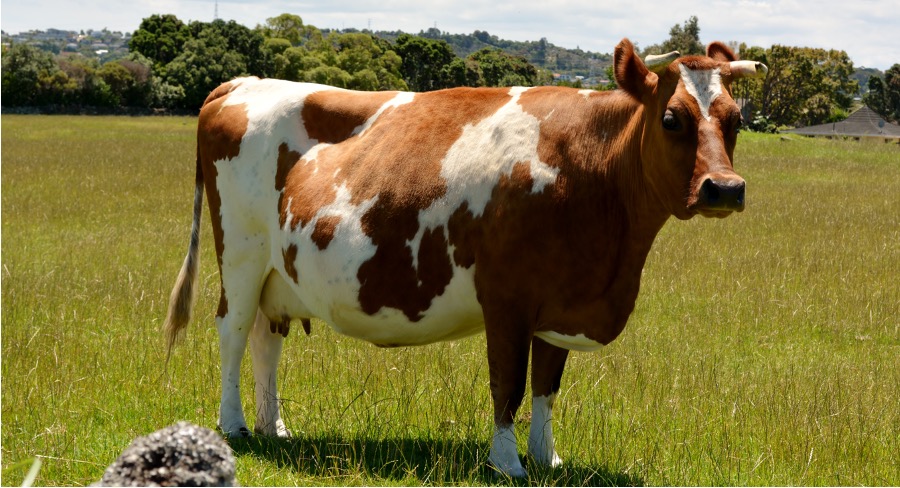
In his recent commentary, agribusiness analyst Allan Barber applauds the evolution of the New Zealand dairy sector into a balanced market structure: one dominant processing company, a credible second-tier follower, and several specialist firms each focused on narrow but successful product ranges. He points out that the leading co-operative Fonterra Co‑operative Group Ltd still controls…
Comparison amongst fatty acids in plant-based milk alternatives
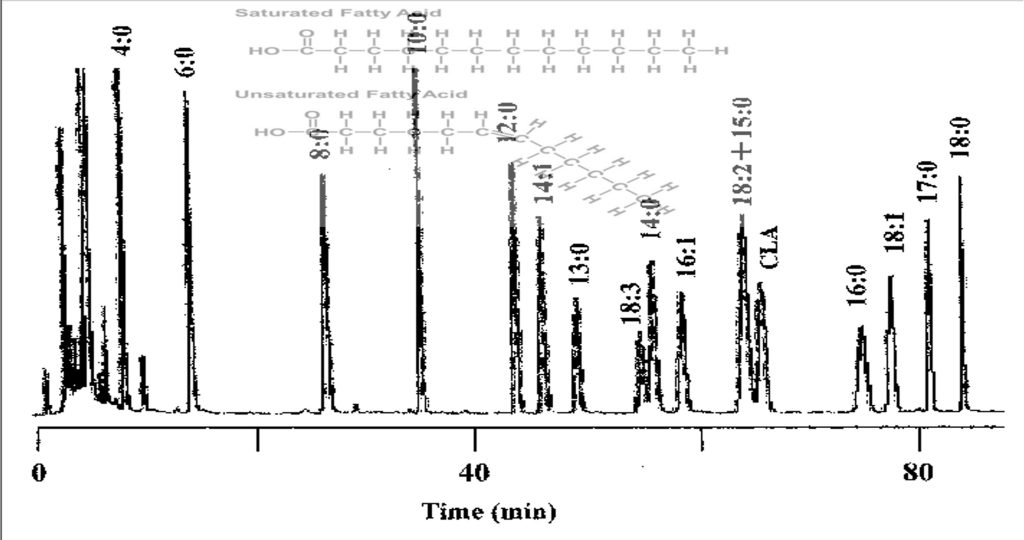
A new scientific study has compared the profiles of free and total fatty acids in plant-based milk alternatives available in Greece, spotlighting nutritional nuances between these products and traditional dairy options. The research analysed a range of plant-based milks to determine how well their fat content aligns with consumer expectations around healthier, sustainable alternatives. Key…
New Review Maps Next-Gen Directions for Plant-Based Yogurts

A newly published review brings together emerging trends shaping the plant-based yogurt sector, with a strong focus on novel raw materials, bio-functional attributes, product stability and sustainability. The paper examines how manufacturers and researchers are pivoting beyond traditional plant milks to tap under‐explored ingredients, and how process innovations aim to meet consumer expectations around health,…