TN Farmers Demand ₹50/Litre Milk Procurement Price
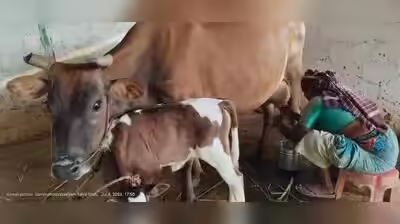
The Tamil Nadu Milk Producers’ Welfare Association has urged the State government to increase the milk procurement price to ₹50 per litre for cow’s milk, citing mounting production costs and the need to ensure sustainable incomes for dairy farmers. The demand was raised during the association’s state executive committee meeting, where members highlighted that rising…
Weak Monsoon May Push Up Milk Prices
A weak 2026 southwest monsoon is emerging as a potential inflation risk for India’s dairy sector, with industry experts warning that lower rainfall could reduce fodder availability, raise feed costs and eventually push up milk prices. According to The Economic Times, the dairy industry is already witnessing selective milk price increases, while concerns are mounting…
Telangana to Supply Vijaya Milk to 27 Lakh Students

The Telangana government has announced plans to provide Vijaya Dairy milk to more than 27 lakh students studying in government schools and anganwadis as part of its broader nutrition and education welfare initiatives. Deputy Chief Minister Mallu Bhatti Vikramarka reviewed the proposal during a high-level meeting with Animal Husbandry Minister Vakiti Srihari and senior officials,…
Amul Sees Ice Cream Boom, No Milk Price Hike Planned

Amul has reported a strong surge in summer demand, with Managing Director Jayen Mehta stating that ice cream sales jumped by 55% in May 2026 as extreme temperatures boosted consumption across India. Speaking to ET Now, Mehta said the company does not foresee any immediate increase in milk prices despite rising demand, providing relief to…
Haryana Dairy Prices Push Food Inflation Higher
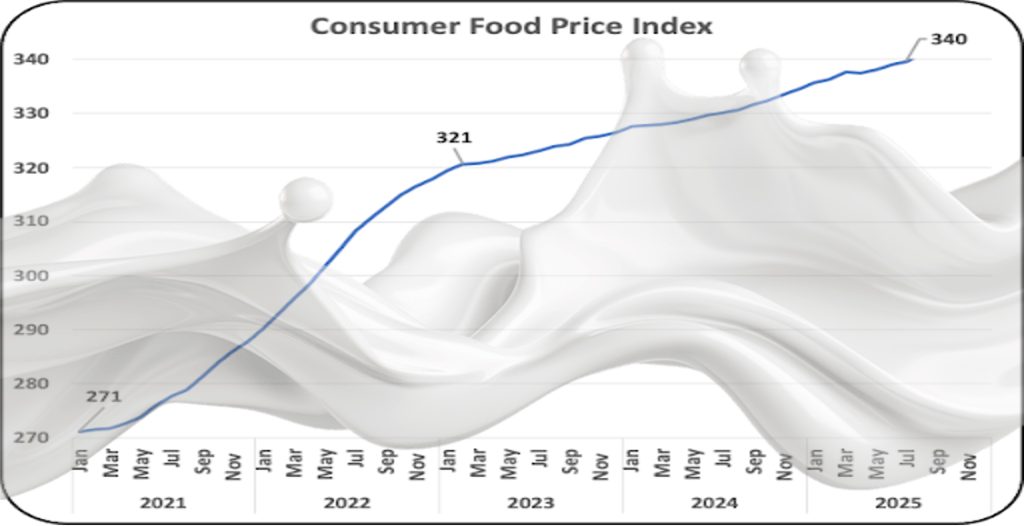
Rising prices of dairy products in Haryana are contributing to growing food inflation concerns, reflecting broader cost pressures across India’s food supply chain. Recent inflation data indicate that higher prices for milk, dairy products, and eggs were among the factors driving food inflation upward in May 2026, as persistent heat conditions and increased production costs…
TN Dairy Farmers Seek Higher Milk Procurement Prices
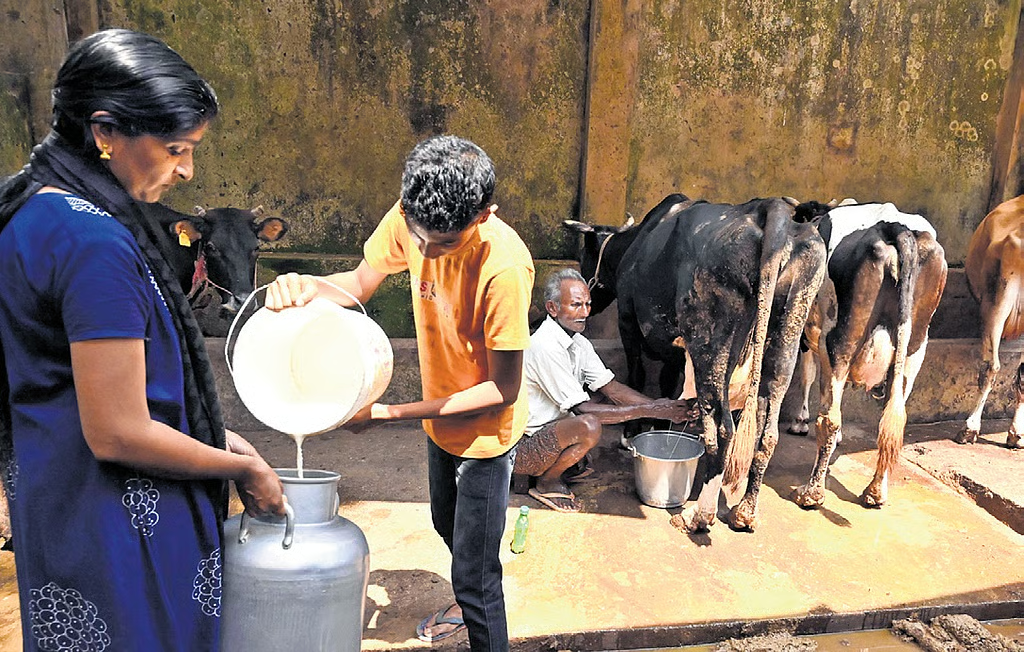
The Tamil Nadu Milk Producers’ Welfare Association has urged the state government to revise milk procurement prices, citing mounting pressure on dairy farmers from rising input costs and stagnant procurement rates. At its state executive committee meeting held in Salem, the association passed a resolution calling for an increase in the procurement price of cow…
Rabobank Warns of Dairy Margin Pressure Ahead

Global dairy markets may remain profitable in the 2026/27 season, but rising input costs and geopolitical uncertainty are expected to put significant pressure on farmer margins, according to Rabobank’s latest dairy outlook. RaboResearch senior analyst Emma Higgins said dairy farmers are entering the new season facing a marked squeeze on profitability due to persistent and…
Class IV Surges as Milk Price Gap Hits 6-Year High
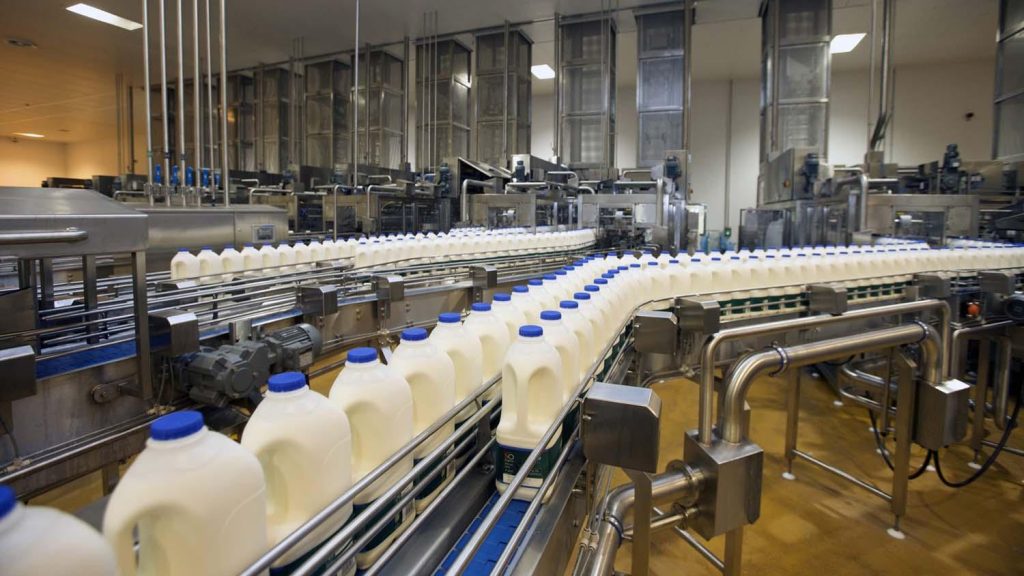
The U.S. dairy market witnessed a significant shift in May 2026 as the gap between Federal Milk Marketing Order (FMMO) Class III and Class IV milk prices widened to $5.40 per hundredweight (cwt), the largest spread since 2020. The development has renewed incentives for depooling within FMMOs, with Class IV milk emerging as the higher-valued…
Mother Dairy Rules Out Immediate Milk Price Hike
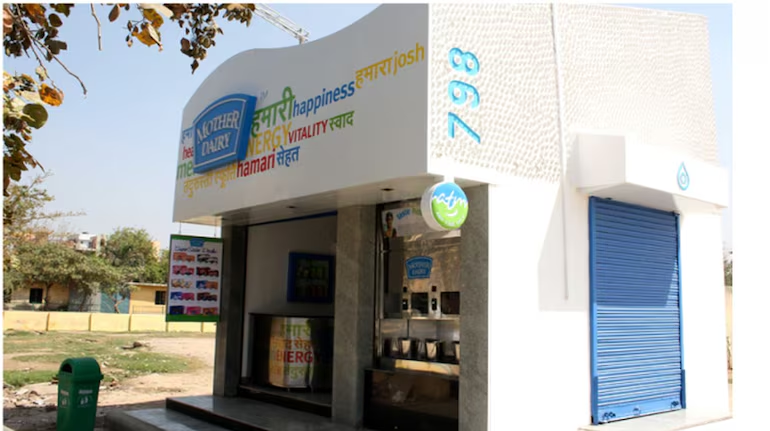
Mother Dairy has announced that it has no immediate plans to increase milk prices further despite ongoing cost pressures in the dairy sector. The company cited a comfortable milk supply situation and stable procurement conditions as key reasons for holding prices steady, providing temporary relief to consumers following the recent ₹2 per litre milk price…
Milk Prices Fall Below Costs, Farmers Warn of Crisis
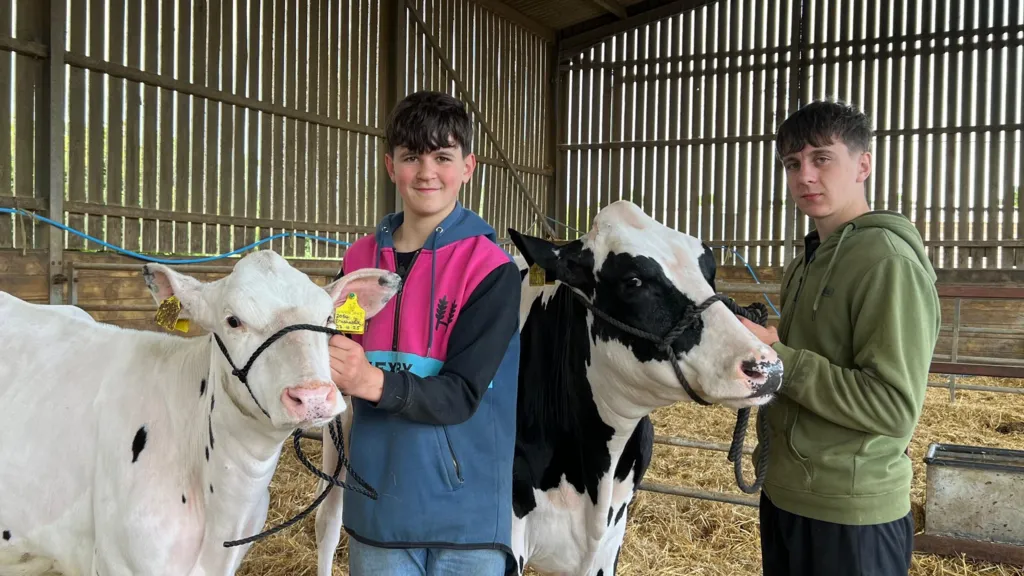
Dairy farmers in the United Kingdom are facing growing financial pressure as farmgate milk prices have fallen below production costs, raising concerns about the long-term viability of family-run dairy farms. According to reports, many producers say current milk prices are insufficient to cover rising expenses for feed, fertilizer, energy, labour and farm operations, leaving margins…