Dairy Research: Full-Fat Milk Challenges Low-Fat Advice

A new Canadian study led by the University of Toronto has challenged the long-standing assumption that full-fat dairy necessarily worsens cardiometabolic health. In a 12-week study involving 74 adults with overweight or obesity, researchers found that consuming three servings of full-fat dairy daily did not meaningfully increase body weight, body composition, energy metabolism or blood…
Study Finds Dairy Cows Stay Consistent Methane Emitters
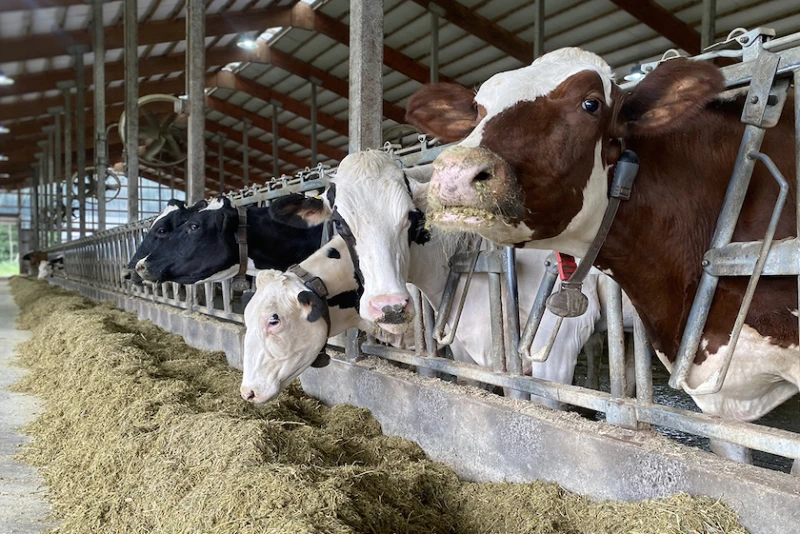
A new study has found that individual dairy cows remain consistently high or low methane emitters even when their diets change, suggesting that biological differences may play a greater role in methane production than previously understood. Researchers observed that feeding lactating dairy cows a higher-starch diet reduced enteric methane emissions by approximately 14%, but it…
Study Finds Full-Fat Dairy Supports Healthy Body Composition

A new Canadian study led by researchers at the University of Toronto has found that consuming three daily servings of full-fat dairy for 12 weeks did not increase body weight, body fat, blood lipid levels or negatively affect energy metabolism in adults with overweight and obesity. Published in the Journal of Nutrition, the randomized controlled…
Dairy HIGH2 Finds Way to Cut Nitrogen Use
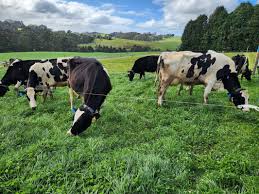
New findings from the Dairy HIGH2 research program in Australia suggest dairy farmers may be able to significantly reduce synthetic nitrogen fertilizer use without sacrificing pasture growth or milk production. Led by the Tasmanian Institute of Agriculture (TIA) and Dairy Australia, the $6.5 million Dairy HIGH2 partnership—extended in 2025 with an additional $1.2 million investment—is…
Heat Stress Found to Cut Milk Quality and Yield
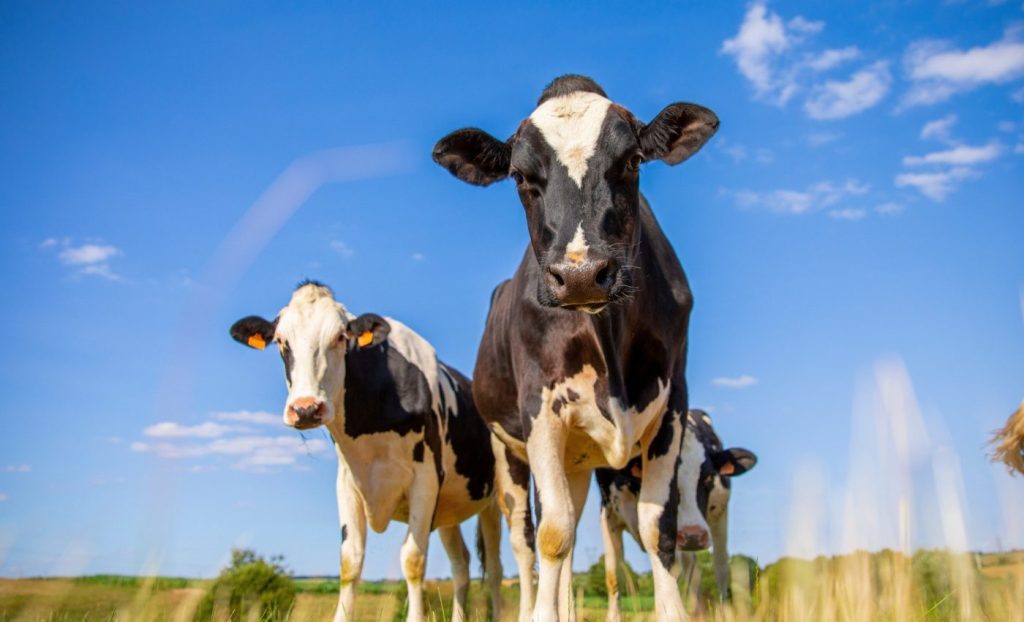
New research from Cornell University has revealed that heat stress affects dairy farmers more severely than previously understood by reducing not only milk production but also the fat and protein content of milk. Analyzing data from approximately 6.5 million cows and around 120 million milk production records across the United States between 2007 and 2016,…
Heat Stress Threatens Dairy Milk Quality and Farmer Returns
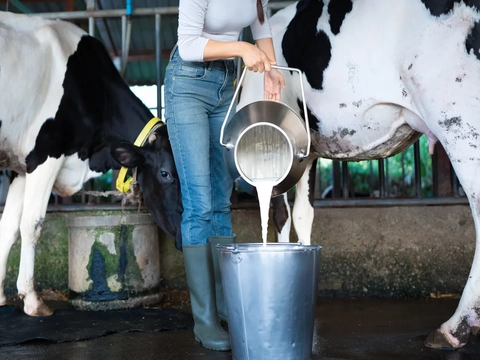
New research from Cornell University has revealed that heat stress affects not only the quantity of milk produced by dairy cows but also its nutritional quality, potentially doubling the economic impact on dairy farmers. An analysis of data from approximately 6.5 million dairy cows across 43 U.S. states between 2007 and 2016 found that rising…
Dairy Milk Shows Edge in Bone Health Debate
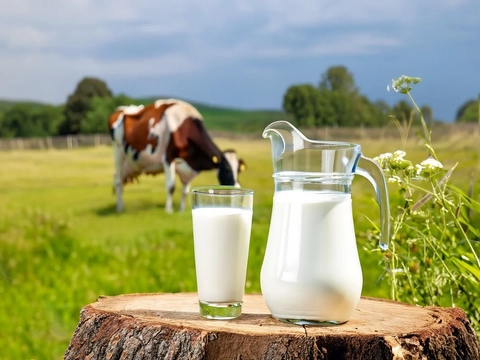
New research is adding fresh perspective to the ongoing dairy versus plant-based nutrition debate, with scientists reporting that cow’s milk may provide advantages for bone health compared to some plant-based alternatives. A recent review by researchers at Edith Cowan University in Australia found that cow’s milk offers benefits for bone strength and nutrient absorption due…
Full-Fat Dairy Study Challenges Long-Held Nutrition Beliefs
A new Canadian study from the University of Toronto is challenging long-standing dietary recommendations that favor low-fat dairy products. The 12-week study involving 74 adults with overweight or obesity found that consuming three daily servings of full-fat dairy did not lead to increases in body weight, body fat, cholesterol levels, insulin resistance, or adverse blood…
Full-Fat Dairy Study Challenges Long-Held Nutrition Beliefs

A new Canadian study from the University of Toronto is challenging long-standing dietary recommendations that favor low-fat dairy products. The 12-week study involving 74 adults with overweight or obesity found that consuming three daily servings of full-fat dairy did not lead to increases in body weight, body fat, cholesterol levels, insulin resistance, or adverse blood…
Dairy Cows Could Revolutionize Insulin Production

A groundbreaking biotechnology innovation could transform the future of insulin manufacturing, with researchers exploring the use of genetically engineered dairy cows to produce human insulin directly in milk. Scientists believe the approach could offer a scalable and potentially more affordable alternative to conventional insulin production methods, which currently rely on genetically modified bacteria or yeast…