Amul Advances Circular Dairy Model
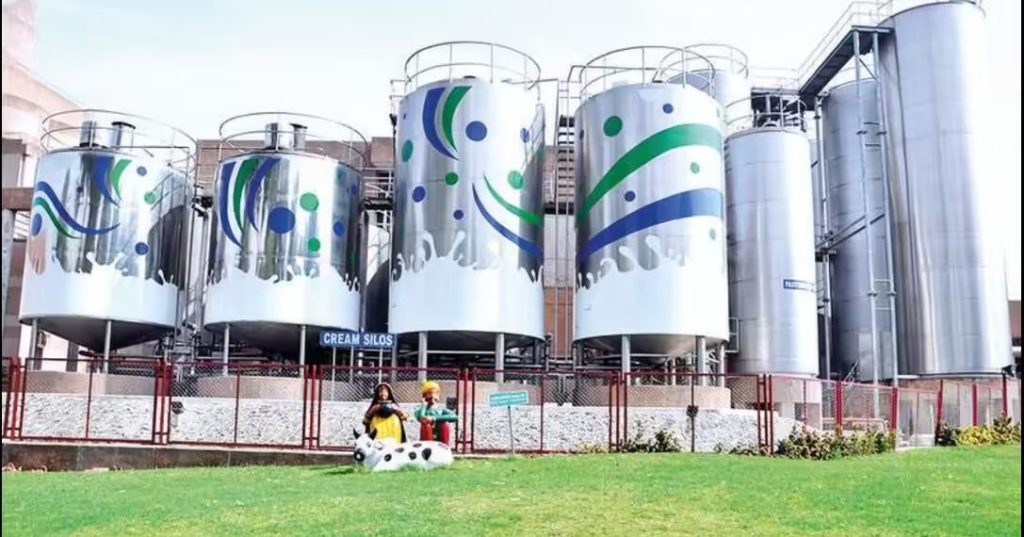
Amul is advancing a circular dairy model aimed at making the dairy economy more sustainable and resource-efficient by converting agricultural and dairy by-products into valuable resources, while creating additional economic opportunities for farmers and rural communities. The cooperative-led approach combines innovation with environmental sustainability and focuses on better utilisation of resources generated within the agricultural…
Study Finds Dairy Cows Stay Consistent Methane Emitters
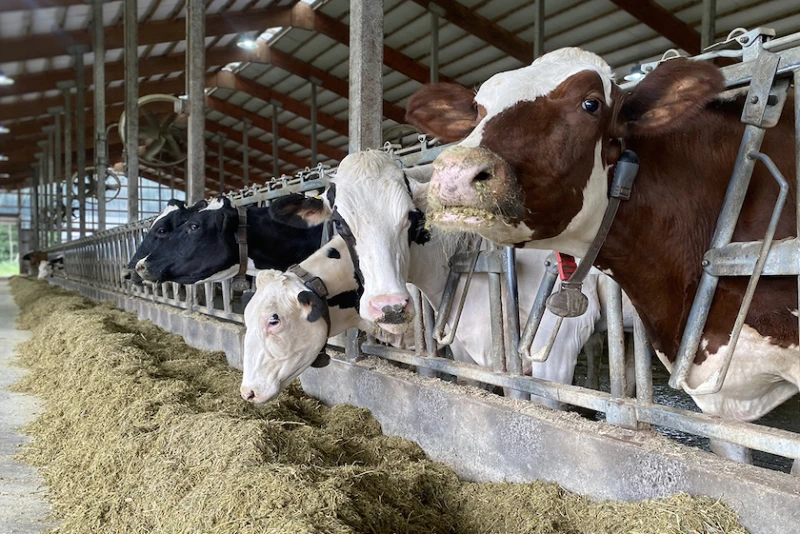
A new study has found that individual dairy cows remain consistently high or low methane emitters even when their diets change, suggesting that biological differences may play a greater role in methane production than previously understood. Researchers observed that feeding lactating dairy cows a higher-starch diet reduced enteric methane emissions by approximately 14%, but it…
Can India’s Milk Production Become Climate-Proof?
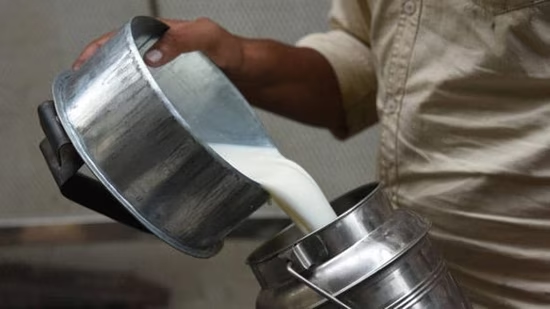
India’s dairy sector is facing mounting climate risks as rising temperatures, heatwaves and drought conditions increasingly threaten milk production, despite the country remaining the world’s largest milk producer. According to a Hindustan Times analysis, Indian cows produce an average of 4.87 kg of milk per day, significantly below the global average of 7.18 kg, leaving…
Nestlé Dairy Plan Faces Transparency Questions
Nestlé’s newly launched Dairy Plan is drawing attention not only for its reported sustainability progress but also for calls for greater transparency around how its climate achievements are measured and disclosed. The company says it has reduced greenhouse gas emissions across its dairy value chain by 26% in 2025 compared with its 2018 baseline, including…
Dairy Carbon Credit Boom Hits Wall of Skepticism
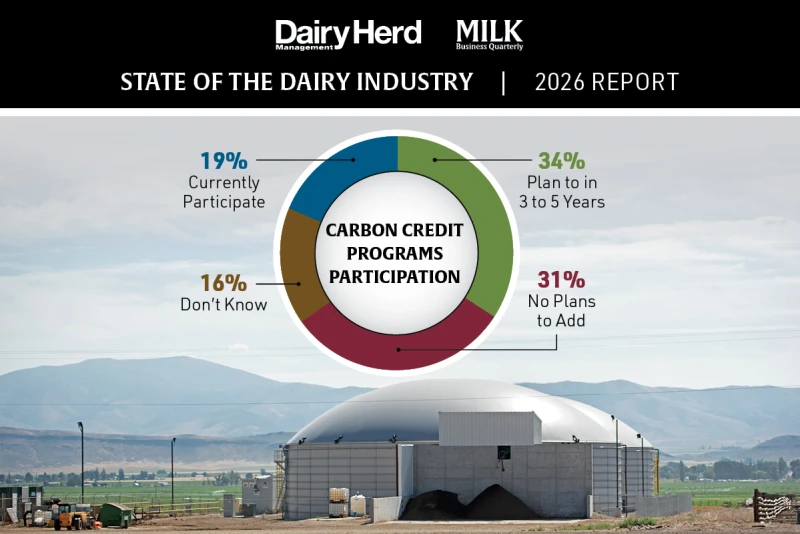
The much-hyped promise of carbon credits as a new revenue stream for dairy farmers is facing growing skepticism, with participation remaining significantly lower than industry expectations. According to the 2026 State of the Dairy Industry Report, only 19% of U.S. dairy producers currently participate in carbon credit programs, while 34% say they may join within…
Ludhiana Dairy Complex Faces Ongoing Wastewater Crisis
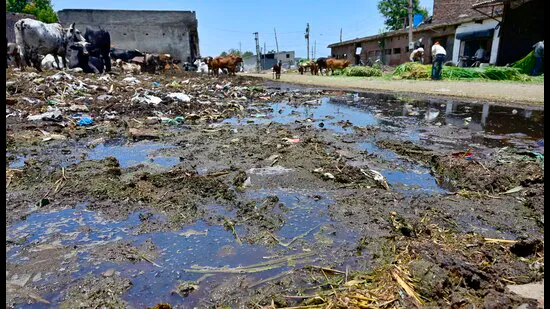
Wastewater overflow continues to plague Ludhiana’s Haibowal Dairy Complex despite assurances from municipal authorities that the long-standing problem would be resolved within 15 days. More than three weeks after a May 26 meeting between the Municipal Corporation (MC) and the Haibowal Dairy Association, dairy owners say wastewater remains accumulated across roads and internal lanes of…
Dairy Waste Powers World’s First Jet Fuel Pilot
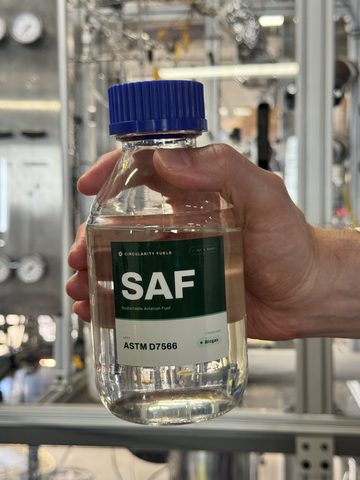
In a major breakthrough for both the dairy and aviation sectors, Circularity Fuels has successfully completed the world’s first end-to-end conversion of raw agricultural biogas into sustainable aviation fuel (SAF) using dairy farm waste. The six-month pilot, conducted on biogas sourced directly from a California dairy farm manure digester, produced drop-in jet fuel that meets…
Greenpeace Challenges NZ Dairy Efficiency Claims
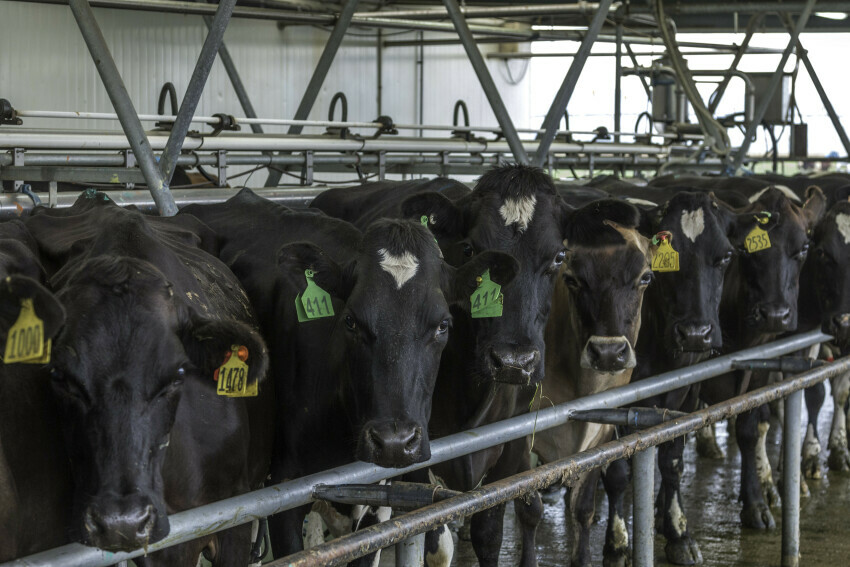
Environmental group Greenpeace Aotearoa has questioned the long-standing claim that New Zealand dairy farming is the “most efficient in the world,” arguing that the assertion is not fully supported by available scientific evidence. In a recent commentary published during New Zealand’s annual agricultural event, Fieldays, Greenpeace campaigner Amanda Larsson said policymakers and industry representatives continue…
Nestlé Cuts Dairy Emissions by 26%
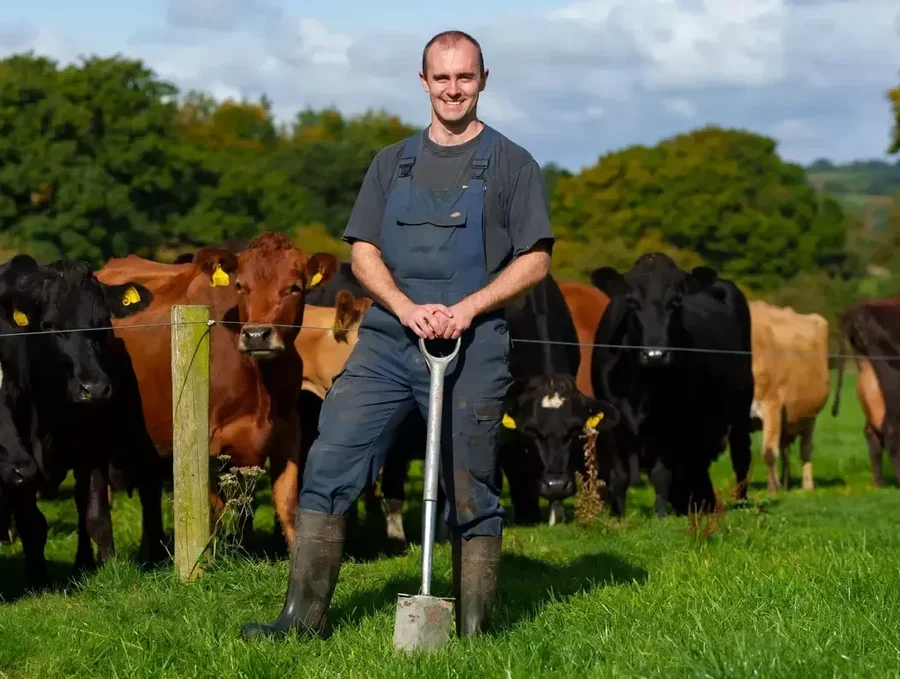
Nestlé has reported a 26% reduction in net greenhouse gas (GHG) emissions across its dairy value chain in 2025 compared to its 2018 baseline, according to the company’s first Dairy Plan report. The initiative, which covers more than 130,000 dairy farmers, over 200 suppliers and partners across more than 40 countries, outlines Nestlé’s strategy to…
Market-Linked Pricing May Reshape India’s Dairy Future

India’s dairy industry is increasingly debating a shift from the traditional cost-based milk pricing model to a more market-linked pricing system, as rising production costs and changing consumer demand put pressure on the sustainability of the dairy value chain. For decades, milk procurement prices have largely been determined by factors such as fat and SNF…