Tetra Pak: Dairy Lines Can Cut Emissions 49%
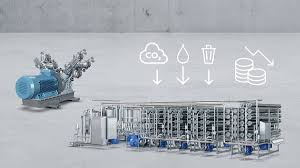
A new analysis by Tetra Pak, highlighted by Asia Food Journal, reveals that modernising existing dairy processing lines can reduce greenhouse gas emissions by up to 49%, offering a significant decarbonisation pathway without requiring full system replacements. The independently reviewed Dairy Processing Impact Assessment (by the Carbon Trust) shows that targeted upgrades using already available…
Manure Digesters: Climate Fix or Risk?
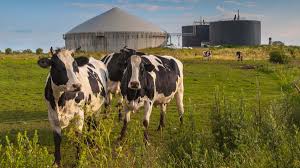
Manure digesters are increasingly promoted as a solution to cut greenhouse gas emissions from dairy farming, but a recent analysis highlighted by New Scientist suggests their real-world impact is more complex. These systems use anaerobic processes to break down manure and capture methane—a potent greenhouse gas—converting it into biogas for energy. While they can significantly…
‘Dairy Green’ Targets India’s Fodder Gap
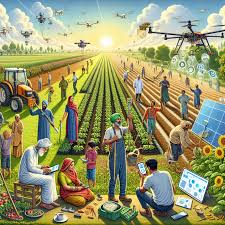
Crystal Crop Protection Ltd has launched ‘Dairy Green’, a hybrid fodder seed, aimed at improving milk productivity and reducing feed costs for India’s dairy farmers ahead of the kharif season, addressing the sector’s persistent shortage of quality fodder. The company stated that the new seed offers high biomass yield, increased crude protein content, and better…
MP Dairy Federation Digitises 17 Plants
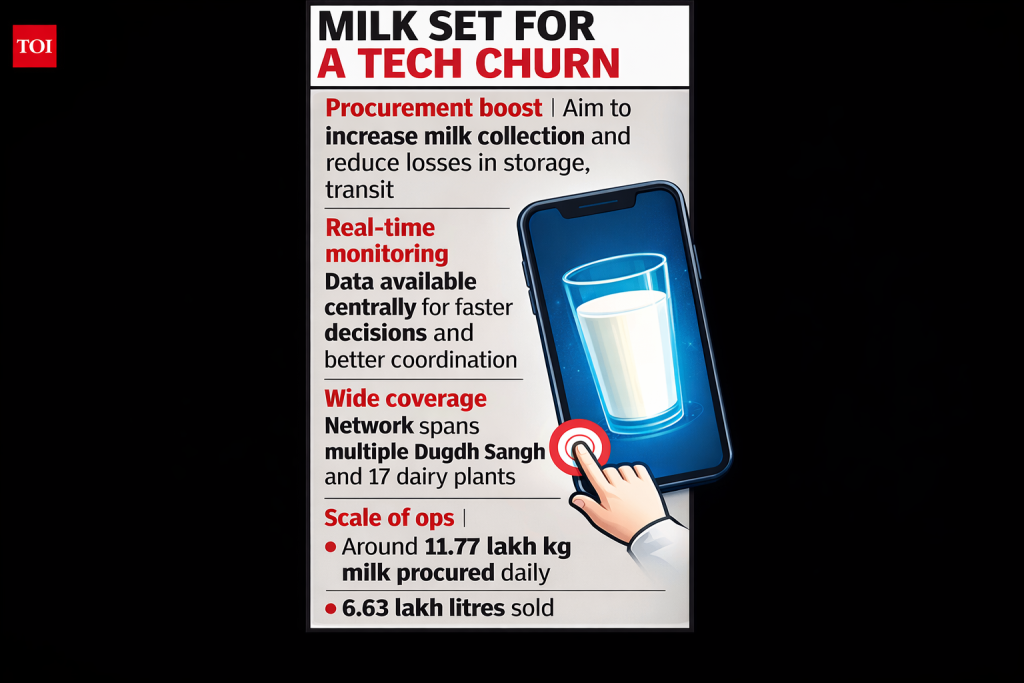
The Madhya Pradesh State Cooperative Dairy Federation has launched a major digital transformation drive, rolling out an integrated Enterprise Resource Planning (ERP) system across 17 dairy plants to enhance milk procurement efficiency and reduce storage and transit losses. The initiative is being implemented under the National Dairy Development Board (NDDB) Enterprise Resource Planning (NDERP) platform,…
Non-Invasive Test Enables Early Pregnancy Detection
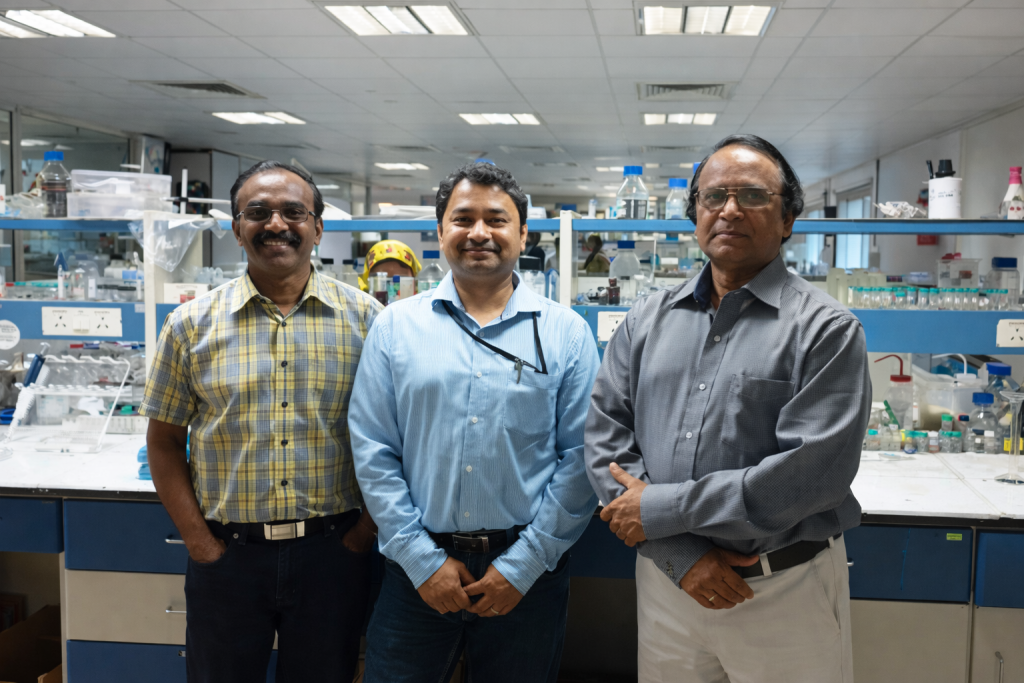
A breakthrough in livestock diagnostics has enabled early pregnancy detection in cattle using a non-invasive method, offering a significant advancement for dairy farm reproductive management. Unlike conventional techniques such as rectal palpation and ultrasonography—which typically confirm pregnancy only after 40–45 days or even 3–4 months post-conception—the new approach allows farmers to identify pregnancy at a…