Animal Health Innovation Intensifies as Global Threats Escalate

The animal health sector is experiencing accelerated innovation as demand for animal-derived food products grows and threats to animal and public health escalate, prompting new technologies and strategic responses across livestock care and disease management. The health of animals is now recognised as integral to food safety, quality and global food security, driving investments in…
U.S. Butter Loses Global Edge as Prices Slide
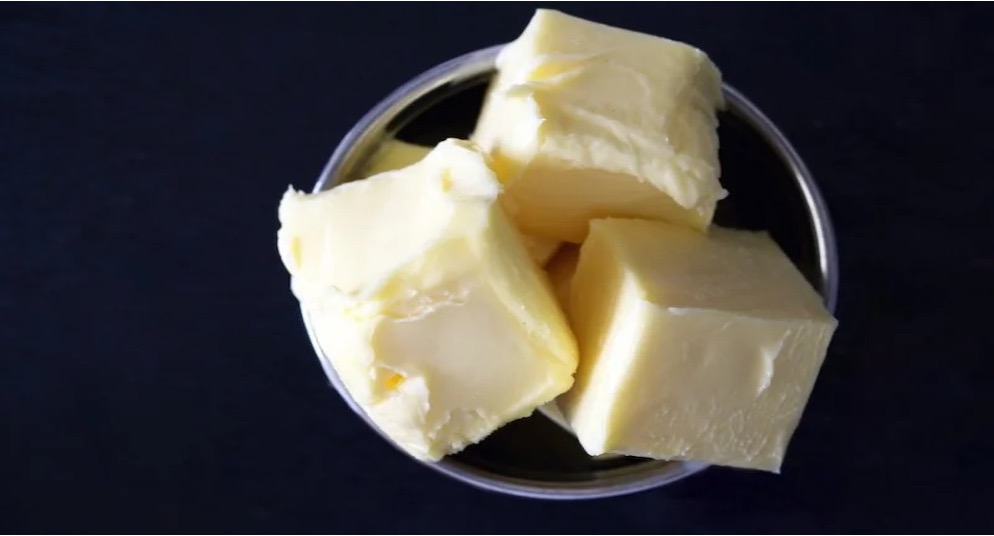
America’s butter price disadvantage cuts export competitiveness despite booming output and export volumes. In 2025 the United States saw its butter become the lowest-priced among major global dairy exporters, a dynamic that has eroded U.S. competitiveness in the international butter market even as volume rises. With export demand strong yet prices comparatively weaker than European and…
Sharjah Ruler launches world’s largest A2A2 dairy farm

Sheikh Dr Sultan bin Muhammad Al Qasimi, Ruler of Sharjah, has hailed the launch of a vast dairy farm and factory capable of producing 100,000 litres of milk each day as a dream more than half a century in the making. On Wednesday, he commenced operations at the Mleiha Dairy Factory and Farm, a 20,000 square metre facility…
FTA Spurs Value-Added Dairy Export Paths, Says Prem Maan
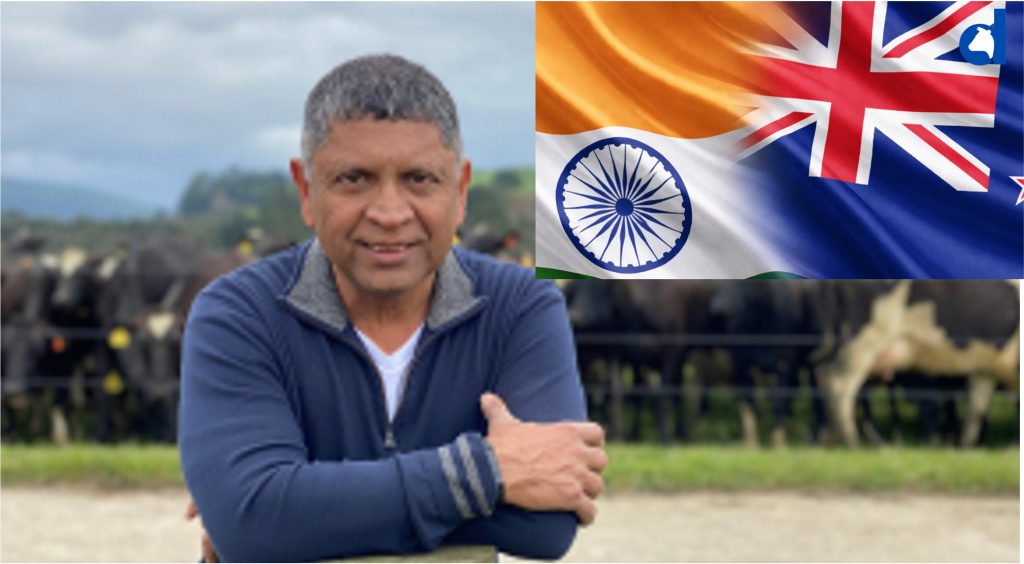
In the wake of the India–New Zealand Free Trade Agreement (FTA), industry voices from New Zealand’s dairy sector are pointing to emerging opportunities for value-added exports, even as traditional bulk dairy access remains limited. Prem Maan, a senior industry analyst, said the pact’s structure — though not granting direct tariff cuts for core dairy imports…
Fonterra Calls India FTA Outcome “Disappointing” on Dairy Access
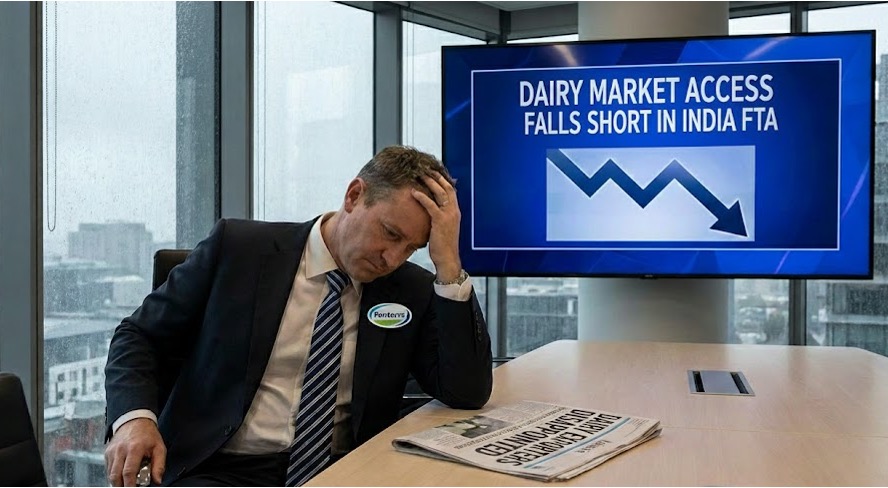
New Zealand’s largest dairy co-operative, Fonterra, has acknowledged the conclusion of the India–New Zealand Free Trade Agreement (FTA) but described the outcome as disappointing for dairy access, particularly for core dairy exports. In an official statement, Fonterra’s Global External Affairs Director Simon Tucker said that despite strong advocacy by New Zealand negotiators, the agreement was…
China hits EU dairy industry with tariffs of up to 42.7%
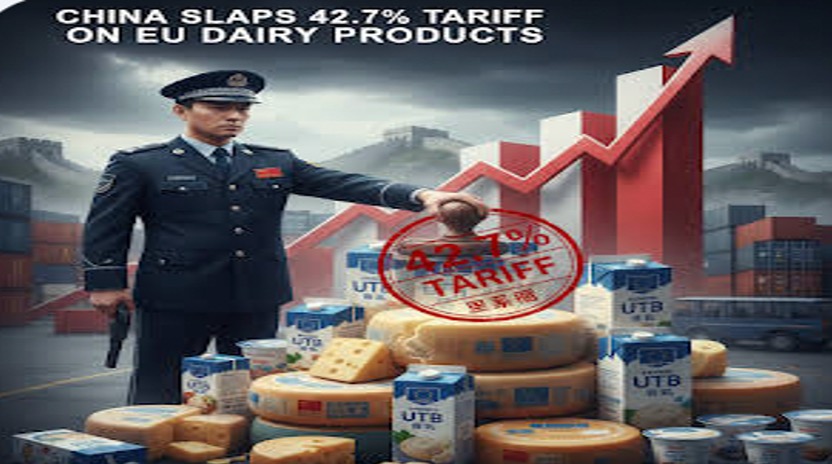
China will impose provisional duties of up to 42.7% on certain dairy products imported from the EU from Tuesday after concluding the first phase of an anti-subsidy investigation widely seen as retaliation for the bloc’s electric vehicle tariffs. The tariffs will range from 21.9% to 42.7% – although most companies will pay about 30% – and…
India Opens 7-Year Duty-Free Window for NZ Infant Dairy

New Zealand and India have concluded a Free Trade Agreement, offering New Zealanders unprecedented access to 1.4 billion Indian consumers, Trade and Investment Minister Todd McClay announced today. This historic Agreement eliminates and reduces tariffs on 95 per cent of New Zealand’s exports – among the highest of any Indian FTA – with almost 57 per cent being duty-free from day one, increasing to 82…
Biotechnology and Genetics Redefine Dairy Nutrition

Biotechnology is no longer a laboratory concept but a concrete vector of industrial transformation. In health, its advances promise personalised treatments for complex diseases; in food, and particularly in infant nutrition, it is redefining how products are designed, produced and validated. For the dairy industry, this crossover between genetics, nutrition and technology is not peripheral:…
Global Dairy Demand Rebounds with Premium & Innovation Push
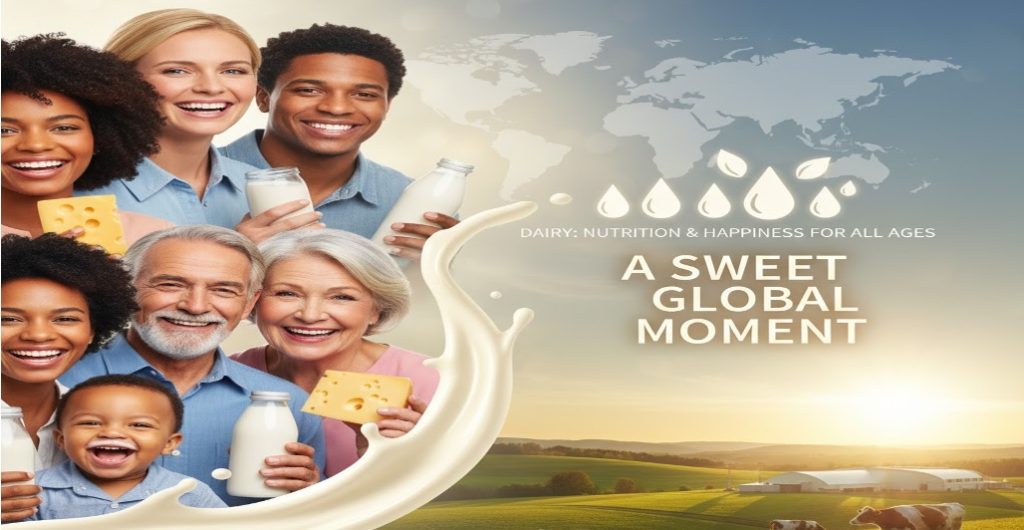
he dairy sector is showing signs of renewed strength as global consumption patterns rebound and diversified demand drivers push the category back into growth momentum, according to the latest AgProud analysis. After a period of stagnation in some mature markets and volatility in commodity prices, dairy is again attracting attention from processors, retailers and investors…
Mother’s Milk May Protect Against Childhood Food Allergies

Emerging scientific evidence continues to highlight the protective benefits of breastfeeding, with recent findings indicating that infants who receive breast milk may have a lower risk of developing food allergies later in childhood. According to research reported in the Guam Pacific Daily News, bioactive components in human milk appear to help the developing immune system…