Argentina Dairy Profits Sink Despite Record Output
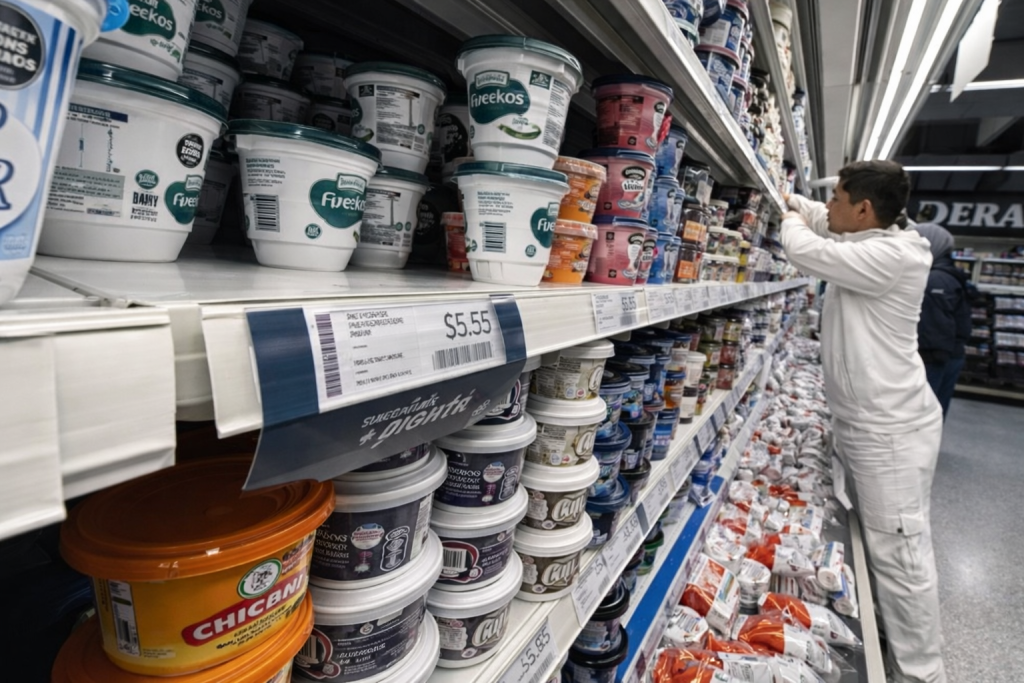
Argentina’s dairy sector is facing a deepening profitability crisis despite achieving record milk production of 11.6 billion litres, marking a 9.7% year-on-year increase, as rising input costs, weak pricing power, and structural challenges erode margins across the value chain. According to industry insights, the sector is under pressure from higher production costs and limited access…
Fonterra Reports Strong HY26 Earnings Growth
New Zealand dairy giant Fonterra has delivered another strong financial performance for the first half of FY2026, reporting total group revenue of NZ$13.9 billion, up NZ$1.3 billion year-on-year, reflecting improved market conditions and operational strength. The cooperative posted a profit after tax of around NZ$750 million, supported by higher earnings across its core businesses and…
Gen Z Reshapes SE Asia Dairy Playbook

Southeast Asia’s dairy market is undergoing a Gen Z-led transformation, where taste, health, and hybrid innovation must coexist—without compromise. A new industry insight highlights that brands failing to balance indulgence with wellness risk losing relevance with the region’s most influential consumer segment. The study reveals that nearly two-thirds of Gen Z consumers prefer dairy beverages…
2026 Dairy Markets: Growth Meets Volatility
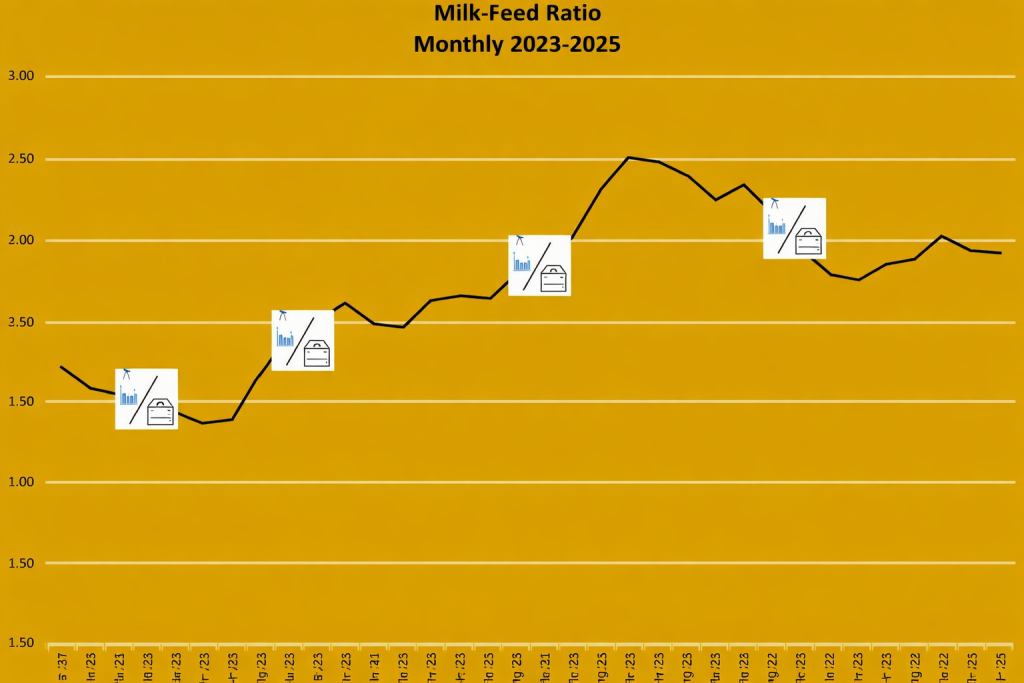
The 2026 dairy market outlook signals a year of improving profitability but rising volatility, as expanding milk supply, shifting demand patterns, and global trade dynamics reshape margins and risk strategies. Analysis from Purdue University highlights that while margins are expected to recover, producers must navigate increasingly complex market signals. Milk production is projected to increase…
Ghana Tops Global Milk Price Rankings

A global comparison of retail milk prices has revealed that Ghana has the highest milk prices in the world, significantly outpacing other major economies. According to the latest data, South Korea ranks second at $3.42 per litre, followed closely by the United States at $3.31, highlighting a sharp price disparity across regions. The findings underline…
Fonterra Flags Emissions Rise on Output Growth

New Zealand dairy giant Fonterra has indicated that its greenhouse gas emissions are likely to increase in FY2026, driven primarily by a rise in milk production. The company signalled that higher output volumes—rather than efficiency setbacks—will be the key factor behind the expected emissions uptick, underscoring the ongoing tension between dairy growth and decarbonisation goals….
U.S. Milk Boom Driven by Cow Surge
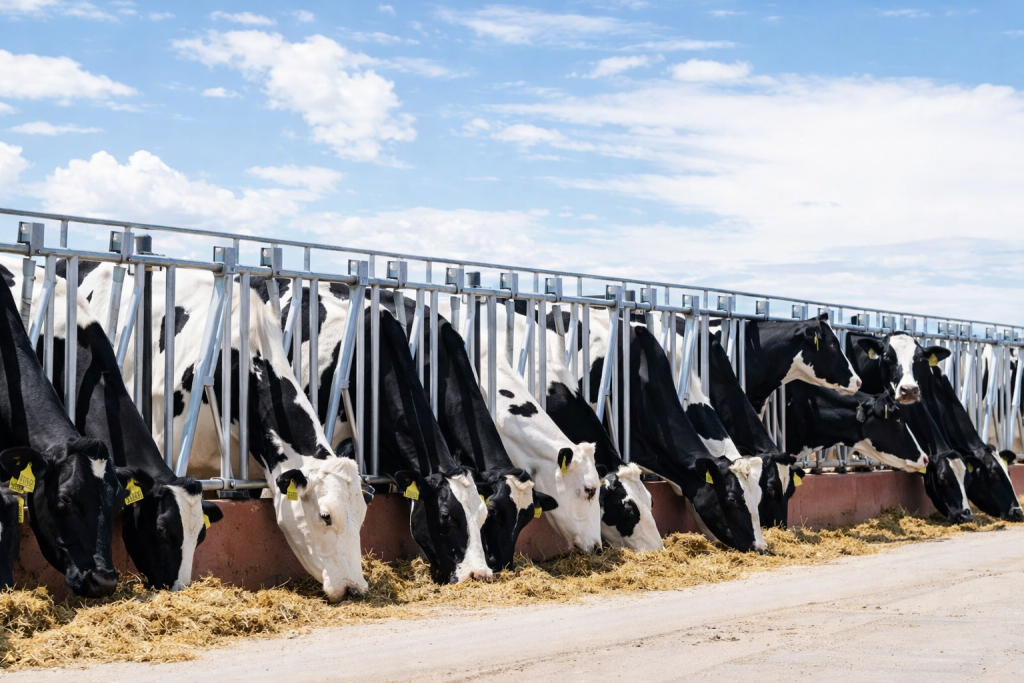
The U.S. dairy sector is witnessing a rapid acceleration in milk production, driven largely by a sharp rise in cow numbers rather than productivity gains. Recent data shows the national herd expanding significantly, with an estimated 211,000 additional cows added over the past year, contributing more than 414 million pounds of extra milk. This herd-led…
Fonterra Lifts Outlook Amid Middle East Risks

New Zealand dairy giant Fonterra has raised its full-year earnings guidance to 50–65 NZ cents per share, up from the earlier 45–65 NZ cents, reflecting improved global commodity prices, strong margins and disciplined cost control despite rising geopolitical uncertainties. The company reported a 3% increase in half-year profit to NZ$750 million for the six months…
Fertiliser Shock Threatens Dairy Supply Chain
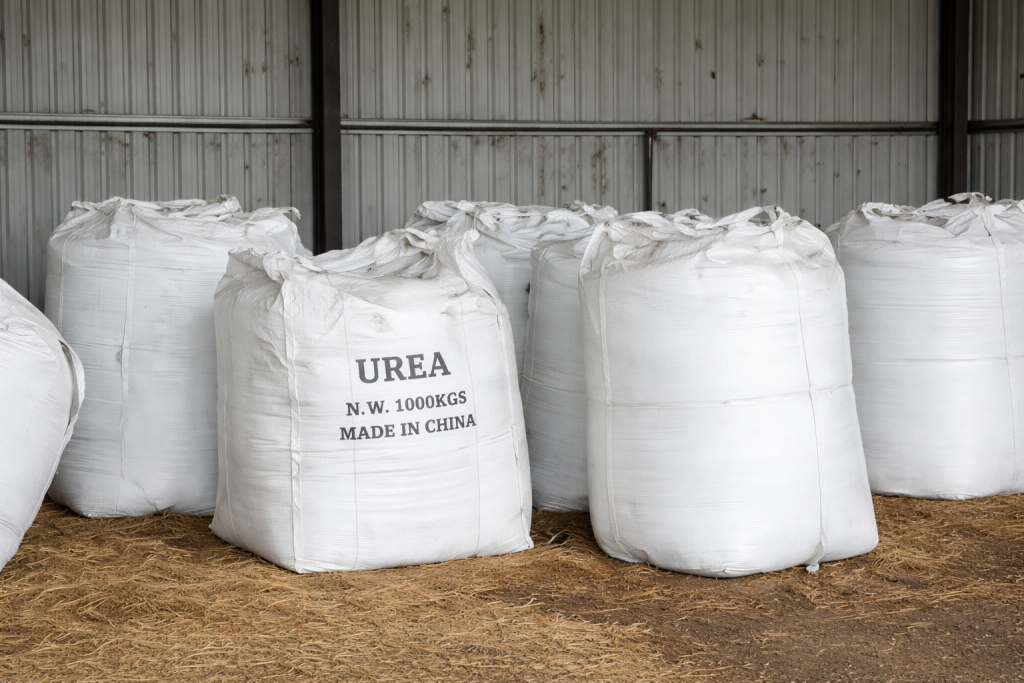
Rising geopolitical tensions are emerging as a critical threat to fertiliser availability, placing fresh pressure on the global dairy sector’s cost structure and production outlook. Supply chain disruptions—particularly across key trade routes—are tightening fertiliser markets, a vital input for feed crop production, thereby increasing risks for dairy farmers already grappling with elevated input costs. Industry…
UK schools face allergy gap in milk schemes

A growing concern is emerging in the UK dairy ecosystem—not from prices or supply, but from inclusion. A recent report highlights that children with dairy allergies are struggling in schools where milk schemes often offer only two choices: cow’s milk or water. Parents say this lack of suitable alternatives is leaving many children feeling excluded…