Koufuku International Limited redefines Bhutan’s dairy industry

Established as Bhutan’s first foreign direct investment (FDI) dairy venture, Koufuku International Limited (KIL) in Chenary, Trashigang, is transforming the dairy sector in eastern Bhutan. By sourcing milk from 19 milk groups and over 1,046 micro-farms and farmers groups, producing high-quality products, and expanding operations to meet growing demand, KIL is empowering rural livelihoods and promoting sustainability….
Rabobank Warns: Dairy Boom Faces Headwinds in H2 2025
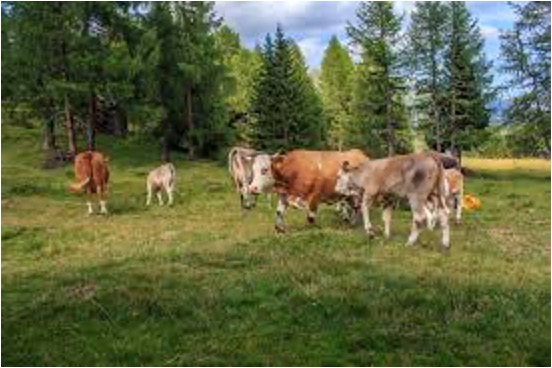
Rabobank’s Q2 2025 Global Dairy Quarterly, titled “Too Good to Be True?”, signals rising downside risks for the global dairy outlook in the year’s second half. While the Brand Majesty of dairy producers—like New Zealand, Australia, the EU, South America, and the US—has supported steady prices in early 2025, a surge in production and weakening…
Barista Milk vs. Regular Milk: What Makes the Difference

Barista milk—whether dairy or plant-based—is specially formulated to foam and froth consistently at high temperatures, making it ideal for espresso-based drinks like lattes and cappuccinos . The key differences from regular milk include: Enhanced Fat & Protein ContentBarista milks often boost fat or protein to create a rich, velvety microfoam that holds shape and resists…
Trump promises immigration order soon on Dairy and farm workers

U.S. President Donald Trump said he would issue an order soon to address the effects of his immigration crackdown on the country’s farm and hotel industries, which rely heavily on migrant labor. “Our farmers are being hurt badly and we’re going to have to do something about that… We’re going to have an order on…
New dietary guidelines in US may include whole fat dairy also
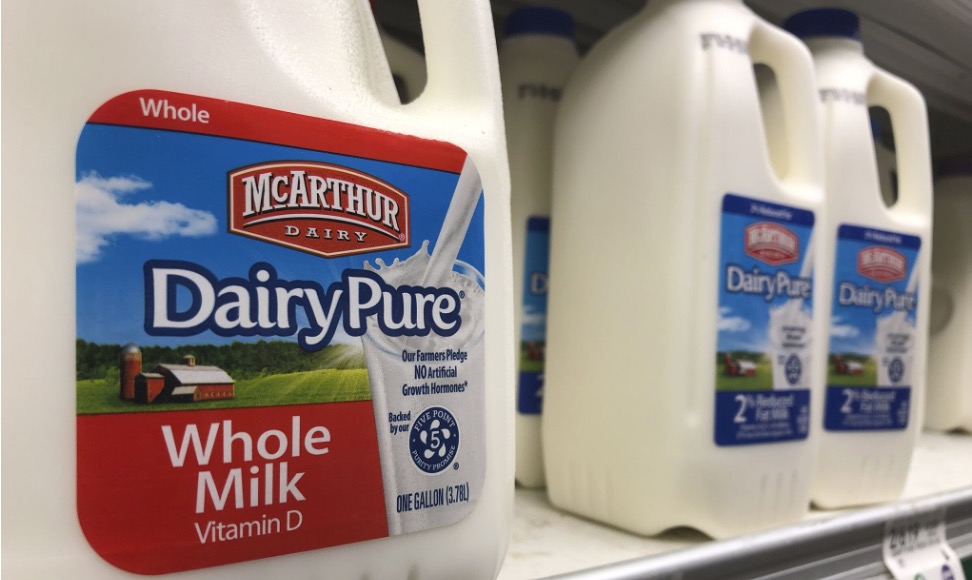
The U.S. Dietary Guidelines for Americans, which influence school lunches, medical advice and nutrition standards, are expected to be released as soon as June, two sources familiar with the matter said. The Trump administration is accelerating the timeline to impact meals served in the upcoming school year, starting later this summer, one of the sources…
Dairy sector faces highest global trade barriers-NZ

New Zealand’s dairy industry, contributing roughly NZ$26 billion in exports (to April 2023), is increasingly burdened by tariffs and non-tariff barriers (NTBs) that remain high across global markets. A report commissioned by DairyNZ and the Dairy Companies Association (DCANZ) highlighted that 87% of global dairy markets enforce tariffs ≥10%, resulting in NZ exporters incurring NZ$1.5 billion in…
Climate change is coming for your cheese

By affecting cows’ diets, climate change can affect cheese’s nutritional value and sensory traits such as taste, color and texture. This is true at least for Cantal — a firm, unpasteurized cheese from the Auvergne region in central France, researchers report February 20 in the Journal of Dairy Science. Cows in this region typically graze on local grass….
NZ Dairy Accelerates Sustainability & Tech Shift

New Zealand’s dairy sector, responsible for over 20 billion litres of milk and NZD $18 billion in exports annually, continues to confront the environmental consequences of intensive farming. Following historic water pollution concerns—from the “dirty dairying” campaign leading to the 2003 Dairying and Clean Streams Accord—current violations and nutrient run-off remain under scrutiny, prompting enhanced regulation by regional…
Australian Dairy Farmers Warn of Industry Collapse
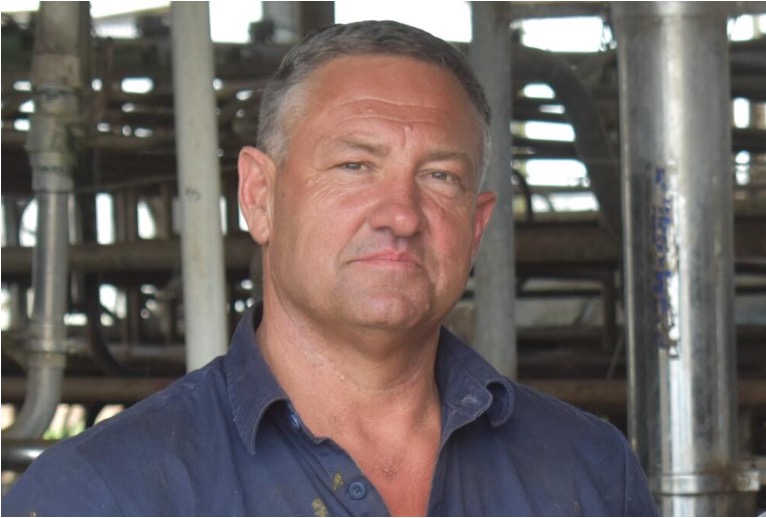
Australia’s dairy industry is facing a critical juncture as farmers contend with milk prices that fail to cover production costs, compounded by the financial burdens of recent droughts and floods. Ben Bennett, President of Australian Dairy Farmers (ADF), highlighted that despite a modest 5% increase in milk prices, these adjustments are insufficient to offset the…
New Zealand’s Butter Prices Surge, Prompting DIY Churning

New Zealand, renowned as the world’s leading dairy exporter, is grappling with a domestic butter price surge of 65% over the past year, elevating the average cost of a 500g block to NZD $7.42. This escalation is attributed to global supply constraints and robust international demand, particularly from Asia and the Middle East, which have…