Study Finds Dairy Cows Stay Consistent Methane Emitters
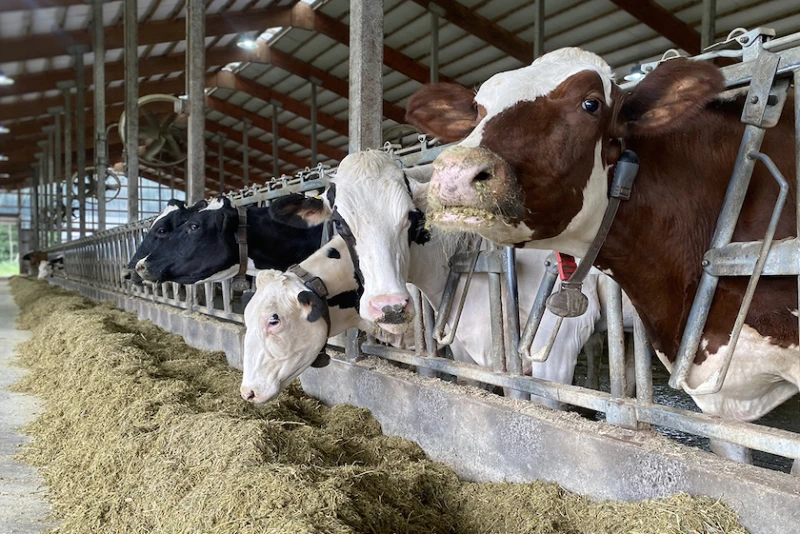
A new study has found that individual dairy cows remain consistently high or low methane emitters even when their diets change, suggesting that biological differences may play a greater role in methane production than previously understood. Researchers observed that feeding lactating dairy cows a higher-starch diet reduced enteric methane emissions by approximately 14%, but it…
Sexed Semen Use Rises, Heifer Numbers Recover Slowly
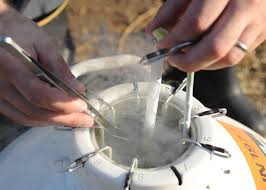
The increased adoption of sexed semen in dairy breeding programs is signaling a gradual recovery in U.S. dairy heifer inventories, although overall numbers remain below historical levels. According to recent industry insights, the use of sexed semen—designed to produce a higher proportion of female calves—has expanded significantly in recent years, helping improve herd replacement strategies…
India scales up Pure Gir embryo transfer programme
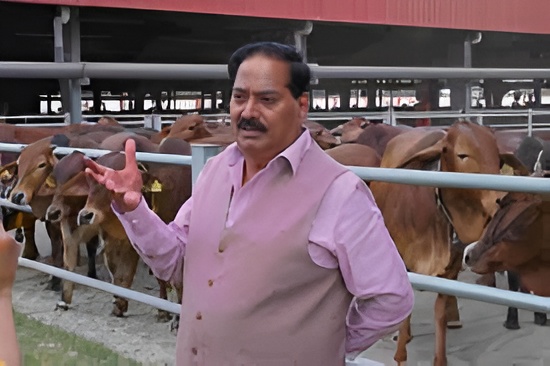
India has successfully implemented its first large-scale Pure Gir embryo transfer programme, marking a major advancement in indigenous cattle genetics and dairy productivity. The initiative, led by Leads Genetics, completed its first phase in December 2025, during which in-vitro fertilisation (IVF) was successfully carried out in 116 cows, demonstrating the scalability of advanced breeding technologies…
Scientific Breeding Boosts Gujarat Dairy Incomes

A 63-year-old artificial insemination (AI) specialist, Deepak Patel, from Vaheval village in Gujarat, is helping strengthen the dairy economy by promoting scientific breeding techniques that improve cattle productivity and farmers’ incomes. Patel began working in artificial insemination after leaving Delhi in 1999, recognising its potential to increase dairy productivity. Since then, he has performed more…