Govt Firm on India–US Trade Pact: Farmers & Dairy Fully Protected
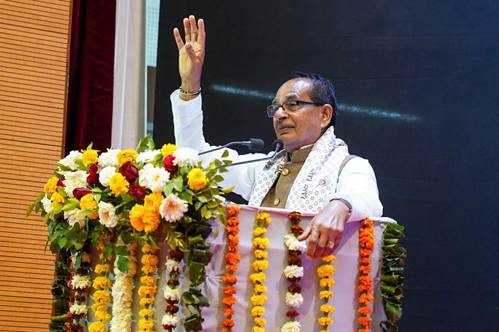
In a decisive clarification amid ongoing discussions on the India–US Trade Agreement, Union Agriculture Minister Shri Shivraj Singh Chouhan emphatically rejected speculation that agricultural and dairy products would be opened up to US imports. Speaking from Jaipur, the minister reiterated that under Prime Minister Shri Narendra Modi’s directives, farmers’ interests remain paramount and there will…
India’s First Cow Culture Museum in Mathura
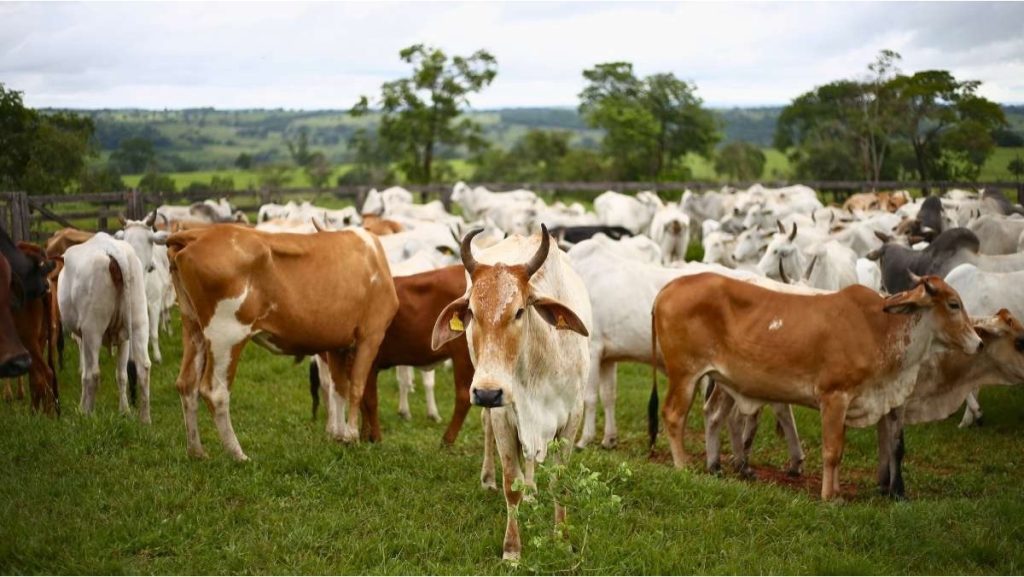
India’s first national “Cow Culture Museum” is set to be established in Mathura, Uttar Pradesh, on the campus of Pandit Deendayal Upadhyaya Veterinary Science University, announced the Uttar Pradesh Braj Teerth Vikas Parishad. The project, initiated with state support, aims to showcase the religious, cultural, spiritual and scientific significance of cows and their products, promoting…
UK dairy farmers could face import pressure from India
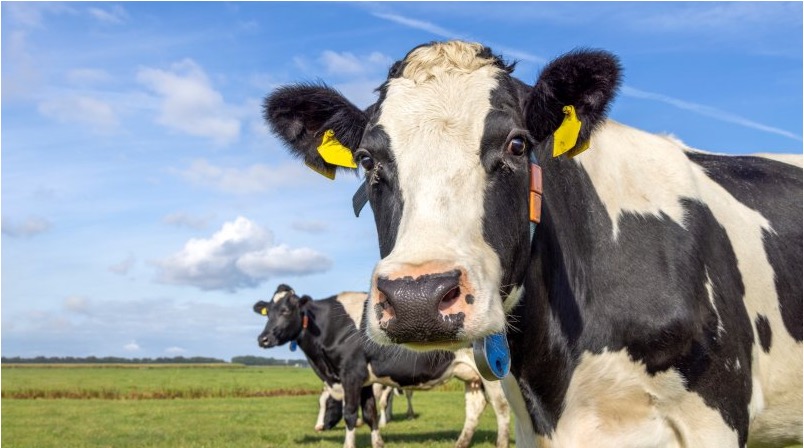
Dairy farmers could face increased import competition under the UK’s new trade deal with India, MPs have warned during a debate in parliament. Concerns were raised that the agreement could open the British dairy market to Indian products without delivering meaningful new export opportunities for UK cheeses and other dairy goods in return. The debate…
Unilever Ice Cream Sees Turnaround in India; Focus on Growth

Unilever’s ice cream business in India — anchored by the Heartbrand portfolio including Cornetto, Magnum and Kwality Walls — is reporting a notable turnaround after a challenging period marked by pandemic-era disruptions and competitive pressure. The unit’s CEO said the business has regained momentum through expanded distribution, category innovation and strengthened operational execution, contributing to…
India to host World Dairy Summit 2027 in Mumbai
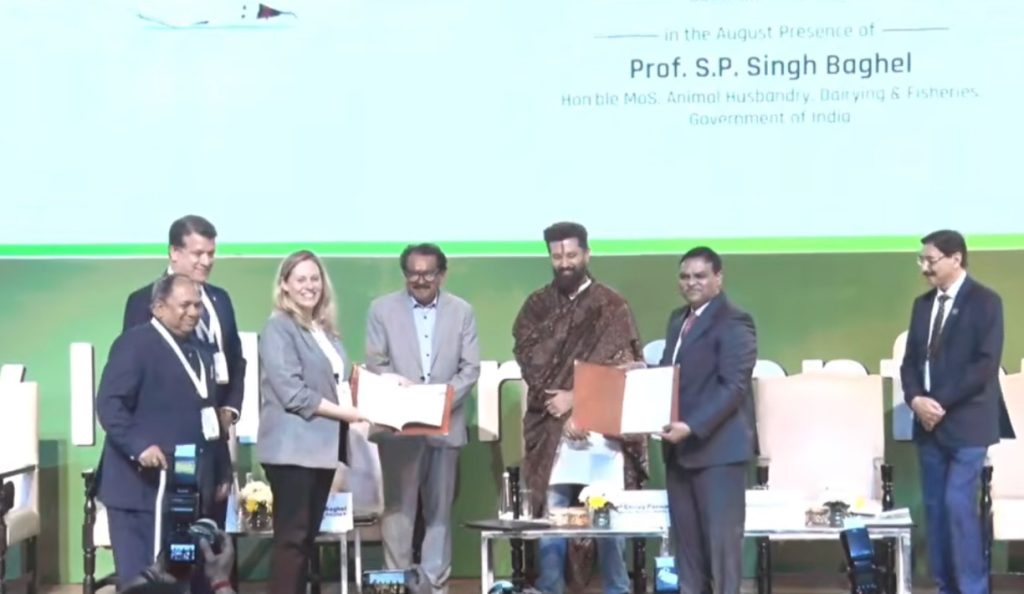
In a significant move for the global dairy sector, India is set to host the prestigious IDF World Dairy Summit (WDS) 2027. An agreement to this effect was formally exchanged on Thursday between Dr Meenesh Shah, Chairman of the National Dairy Development Board (NDDB), and Laurence Rycken, Director General of the International Dairy Federation (IDF)….
India–US Trade Deal Criticised as Costly for Farmers
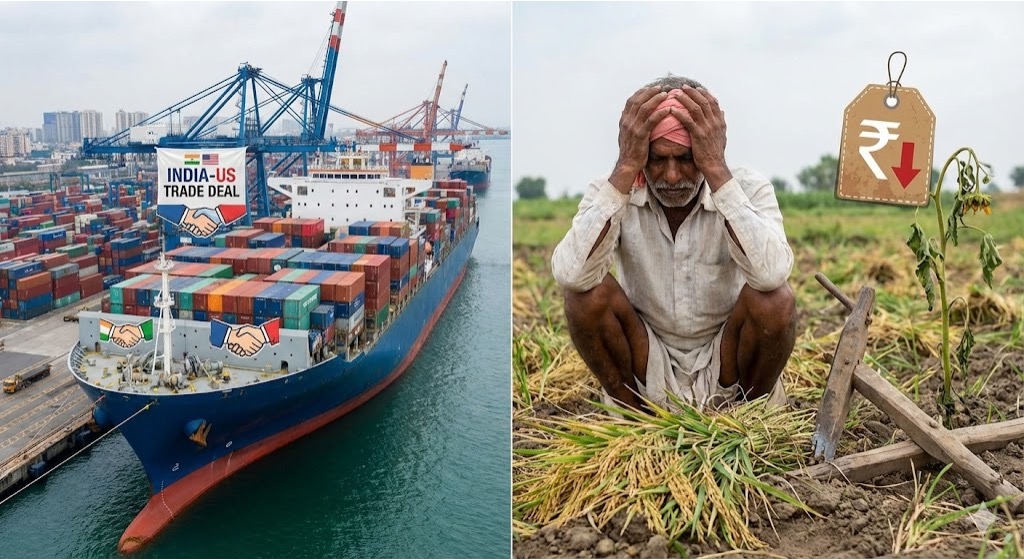
Several farmer groups and political critics have slammed the recently announced India–US trade pact, warning that it could be detrimental to India’s farm economy if agricultural and dairy products are included in the liberalised market access framework — a fear echoed from earlier trade negotiations. Samyukta Kisan Morcha (SKM) and other unions have stated that…
Nepali Dairy Farmers Gain from Rising Milk Prices in India
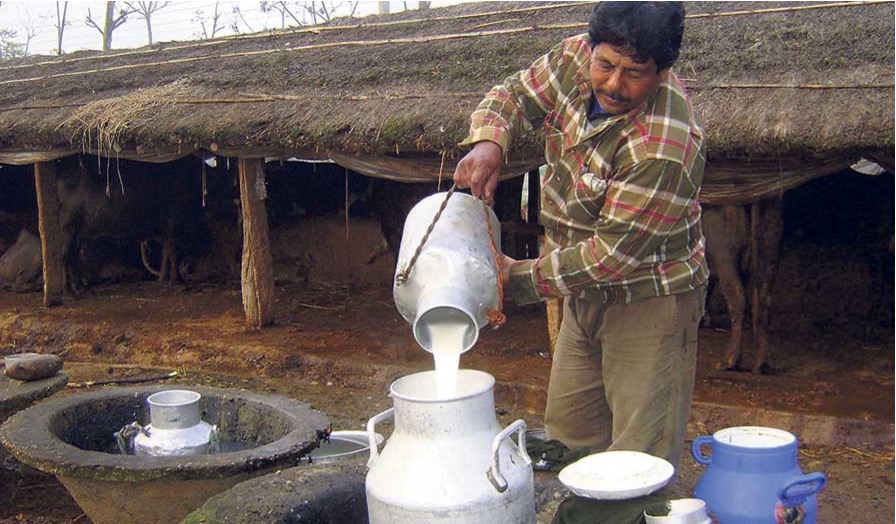
With milk prices rising in India, Nepali dairy producers are finding better market opportunities across the border, reversing a trend that previously saw cheaper Indian milk flooding Nepal and squeezing local producers. Earlier seasons forced Nepali farmers to struggle with surplus or process excess milk themselves due to illegal imports; this year, higher Indian milk…
India’s Dairy FMCG Sector Strengthens on Policy & Demand
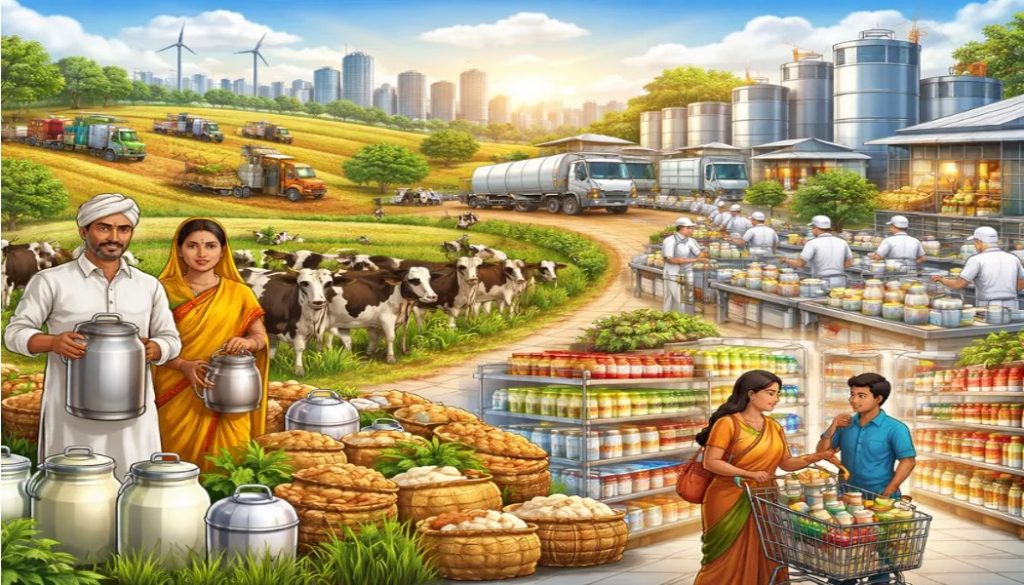
India’s dairy-linked FMCG sector is showing renewed resilience and growth momentum, supported by a combination of policy support, rising consumer demand and a recovery in rural consumption. After a period of cost pressures and muted volume growth, the industry is now seeing improved performance across key product categories such as value-added dairy beverages, cheeses, ghee,…
India Slaps 30% Duty on US Pulses; Trade Talks Feel Strain
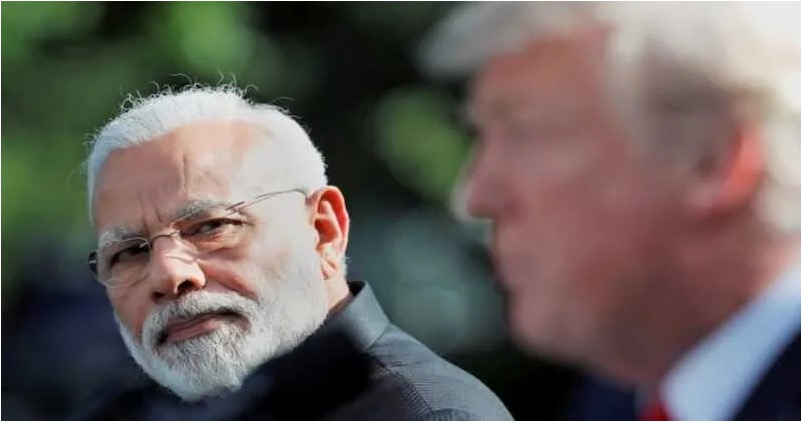
India has quietly imposed a 30 % tariff on pulses imported from the United States — including key crops like yellow peas and lentils — in what officials present as a protective trade measure for domestic agriculture and farmers. This duty, which came into effect from November 1, 2025, marks a retaliatory step after earlier…
India’s First Glyphosate-Free A2 Ghee from Two Brothers
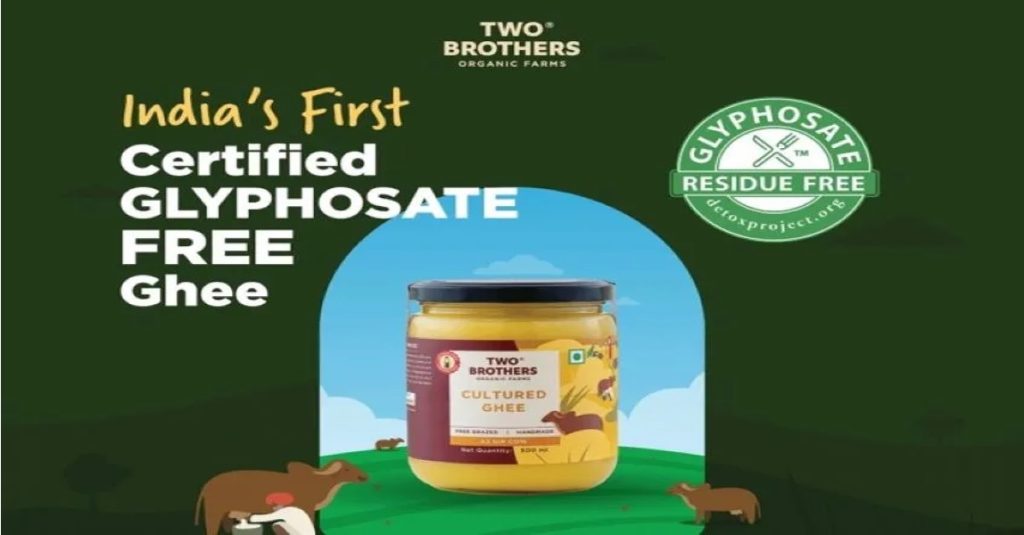
In a significant development for product quality and consumer trust in the dairy sector, Two Brothers Organic Farms has announced that its A2 cultured ghee has received India’s first glyphosate residue-free certification — a distinction that sets a new benchmark in dairy product safety and purity. The certification, issued by a recognised third-party testing and…