Animal Feed Industry Should Address Fodder Shortage: Rupala

“Currently, we are facing the problem of fodder in the country. To address this problem, the industry should take serious steps in innovative ways and on a new scale,” Rupala said addressing a symposium organised by industry body CLFMA of India. The animal feed industry should take serious steps in an innovative manner to address…
Revolutionizing Cattle Feed: A Triumph of R&D

At Metro Milk Products Ltd., we recognize that the transformative potential of cattle feed goes beyond theoretical notions. To bring this belief to fruition, we embarked on an ambitious journey alongside our dedicated veterinary team. With unwavering commitment and curiosity, we delved into an extensive research and development phase spanning six months. Our primary objective…
WOVO cracks open new dairy alternative category
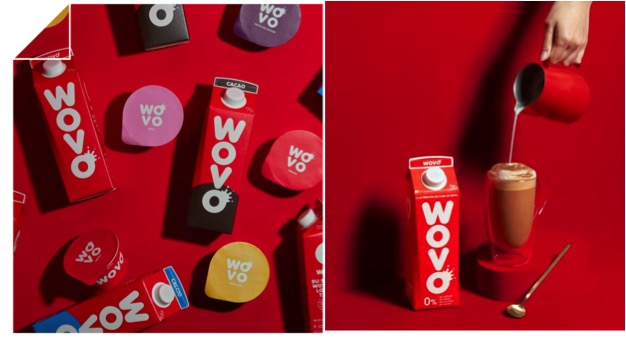
Liquid egg pioneer Campomayor has teamed up with Spanish food scientists to develop the world’s first dairy alternative made from egg whites. Opening a new market category, WOVO was launched in April 2023 in national retailers across Spain including Carrefour Hypermarkets, Gadis, Froiz and Vegalsa-Eroski chains. Pioneering new possibilities for eggs Family business Campomayor was…
Crisil Says India’s Dairy Success Holds Key To Food Price Stability

Retail inflation rose to 7.44%, the highest since April 2022, led by inflation in food and beverages which stood at 10.47%, the highest since January 2020. As prices of various food items rise due to a combination of global and local factors, including extreme weather conditions, the government has continued supply-side interventions. These include releasing…
Taste of Life: The ‘butter’sweet tale of Poona dairy farm
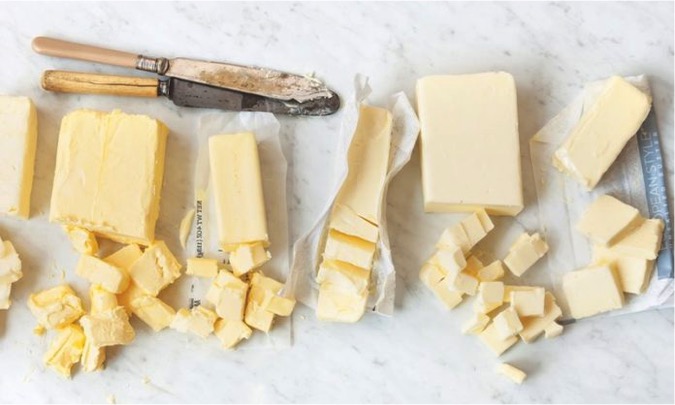
Butter needed for the coffee shops and regimental messes in the cantonment would be bought from a Parsee dairy in Bombay, before the government dairy farm was set up in Poona in 1890 The foodscape of a city is often a culmination of several events that sometimes take place in parallel or together. Butter needed…
Robust demand to whip up dairy revenue by 14-16%-Crisil

Strong demand for value-added products and stable milk consumption will lead to a 14-16% revenue growth for India’s organised dairy industry this fiscal. With raw milk supply improving, there will be fewer price hikes and profitability will recover 20-50 basis points, said rating agency Crisil . Last fiscal, disruptions in raw milk supply had led to…
Milk is the power house of all the nutrients Listen Dr A K Srivastava
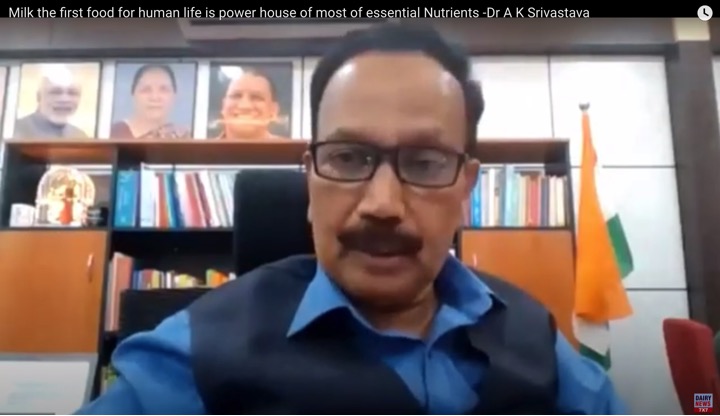
Stellapps Technologies in collaboration with ThinkAg, is pleased to invite you as a panellist to a webinar- ” Building Nutrition Security with Dairy: Role, Risks and Regulations”. This webinar was held on 25th July from 4 PM to 5.15 PM IST. Background: The awareness of nutritional security and the significant contribution of dairy towards meeting…
New dairy farmer-friendly bill: Annual welfare fund cap set at 500 L

Thiruvananthapuram: All dairy farmers who provide milk through self-help groups (SHG) will now be considered for the Dairy Farmers Welfare Fund. Previously, only two and a half lakh dairy farmers who provide at least 500 liters of milk annually were part of the welfare fund. The bill contains several provisions that give discretionary powers to…
5 Culprits To get Life term Jail For Manufacturing Fake Ghee
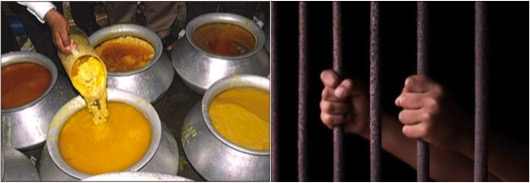
Bareilly Court on Saturday sentenced life term to five accused in desi ghee adulteration case. It also imposed a fine of fifty thousand on each. The court of Additional District Judge Arvind Kumar awarded life imprisonment to five accused for manufacturing adulterated desi ghee. The court also slapped a fine of ₹ 50,000 on each of the…
The golden benefits of adding ghee to your daily glass of milk
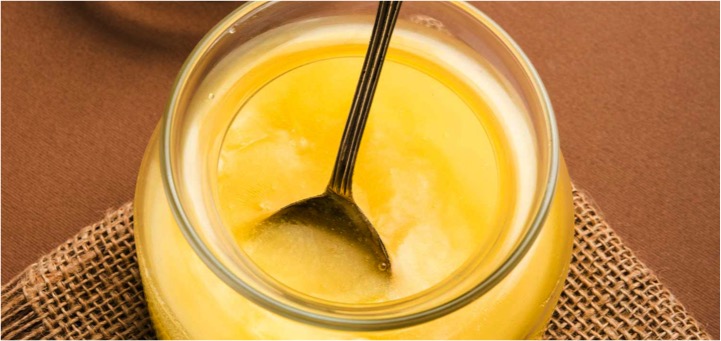
From improved nutrient absorption and digestion to joint health and cognitive support, the combination of ghee and milk bridges the gap between ancient wisdom and modern science. Health benefits of ghee in milk: By sipping on ghee-infused milk, you’re nurturing your skin from the inside out, achieving a natural glow that no topical cream or…