Dairy sector faces highest global trade barriers-NZ

New Zealand’s dairy industry, contributing roughly NZ$26 billion in exports (to April 2023), is increasingly burdened by tariffs and non-tariff barriers (NTBs) that remain high across global markets. A report commissioned by DairyNZ and the Dairy Companies Association (DCANZ) highlighted that 87% of global dairy markets enforce tariffs ≥10%, resulting in NZ exporters incurring NZ$1.5 billion in…
Climate change is coming for your cheese

By affecting cows’ diets, climate change can affect cheese’s nutritional value and sensory traits such as taste, color and texture. This is true at least for Cantal — a firm, unpasteurized cheese from the Auvergne region in central France, researchers report February 20 in the Journal of Dairy Science. Cows in this region typically graze on local grass….
NZ Dairy Accelerates Sustainability & Tech Shift

New Zealand’s dairy sector, responsible for over 20 billion litres of milk and NZD $18 billion in exports annually, continues to confront the environmental consequences of intensive farming. Following historic water pollution concerns—from the “dirty dairying” campaign leading to the 2003 Dairying and Clean Streams Accord—current violations and nutrient run-off remain under scrutiny, prompting enhanced regulation by regional…
Australian Dairy Farmers Warn of Industry Collapse
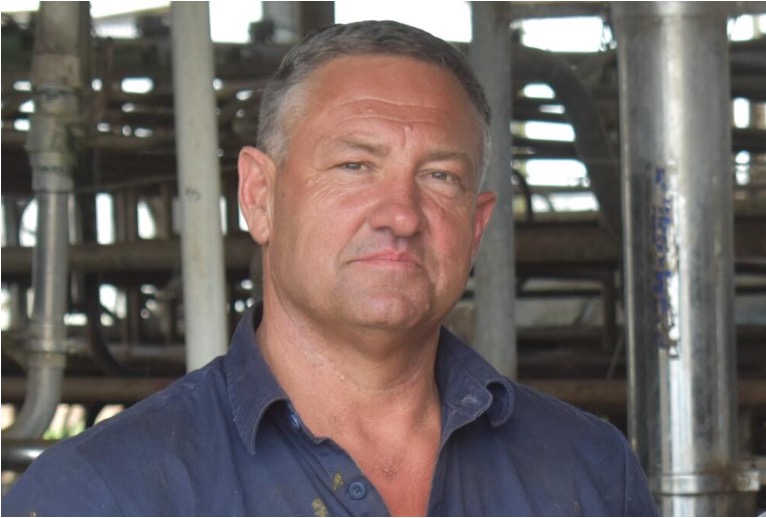
Australia’s dairy industry is facing a critical juncture as farmers contend with milk prices that fail to cover production costs, compounded by the financial burdens of recent droughts and floods. Ben Bennett, President of Australian Dairy Farmers (ADF), highlighted that despite a modest 5% increase in milk prices, these adjustments are insufficient to offset the…
New Zealand’s Butter Prices Surge, Prompting DIY Churning
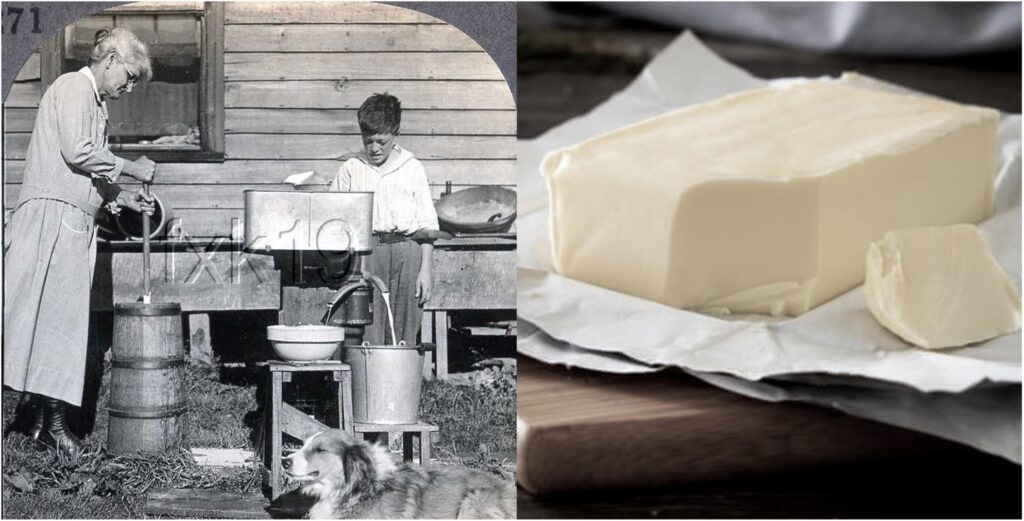
New Zealand, renowned as the world’s leading dairy exporter, is grappling with a domestic butter price surge of 65% over the past year, elevating the average cost of a 500g block to NZD $7.42. This escalation is attributed to global supply constraints and robust international demand, particularly from Asia and the Middle East, which have…
Global Dairy Sector Eyes Growth Amid Challenges
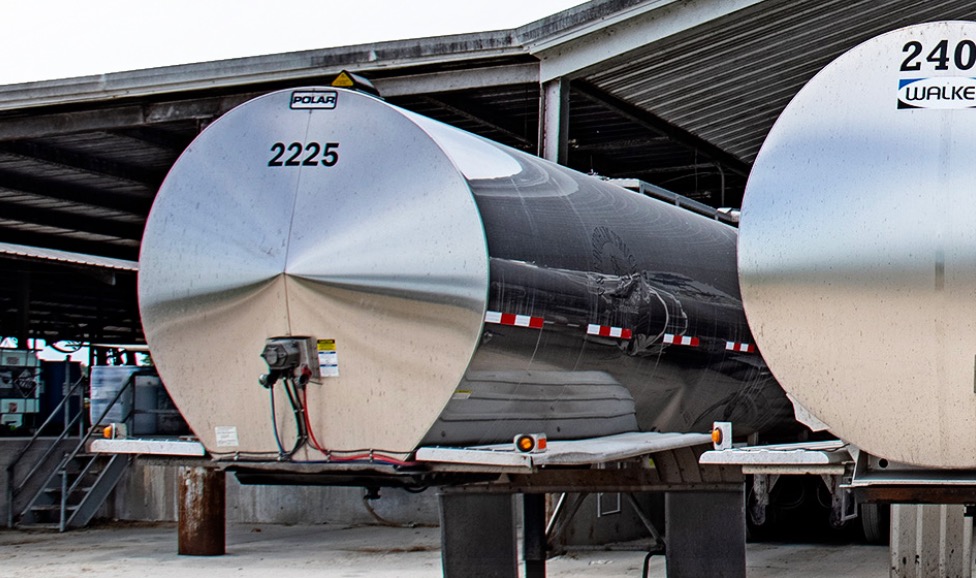
The global dairy industry enters 2025 with cautious optimism, balancing growth prospects against persistent challenges. Key factors influencing this outlook include: Production Trends: Major dairy-producing regions anticipate modest increases in milk production. For instance, British milk production is forecasted to grow by over 1% in 2025, rebounding from earlier setbacks due to unfavorable weather and…
Trendy products driving dairy purchases in China
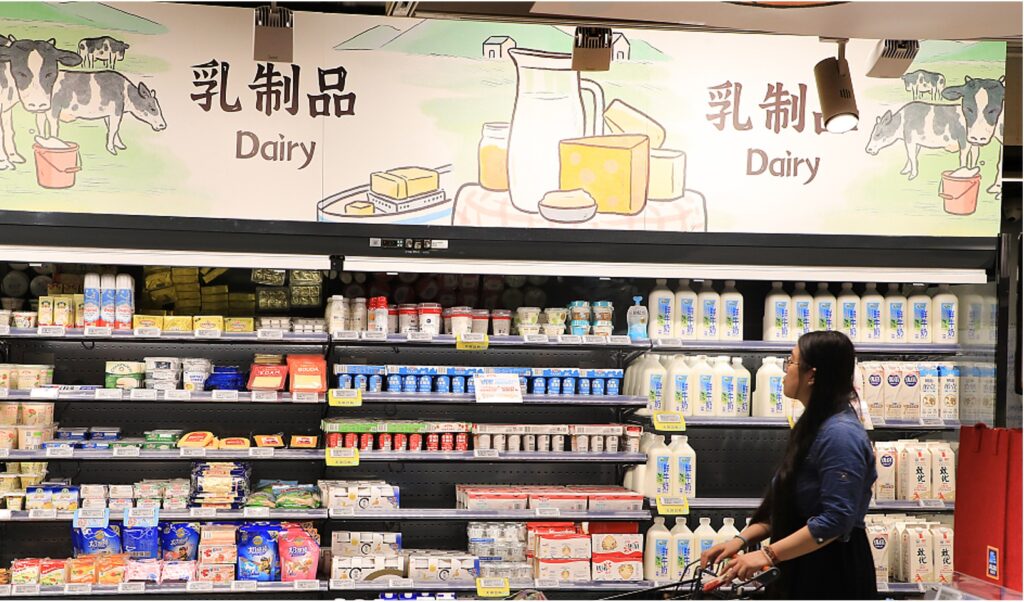
Chinese consumers are no longer satisfied with simply drinking more milk, and they are focusing on better quality dairy items. The popularity of trendy dairy products such as milk tea and yogurt ice cream has contributed to the overall growth of dairy product consumption, according to a new report. Chinese consumers have changed from passive…
Nigeria to double milk output to 1.4 mln tons within 5 years
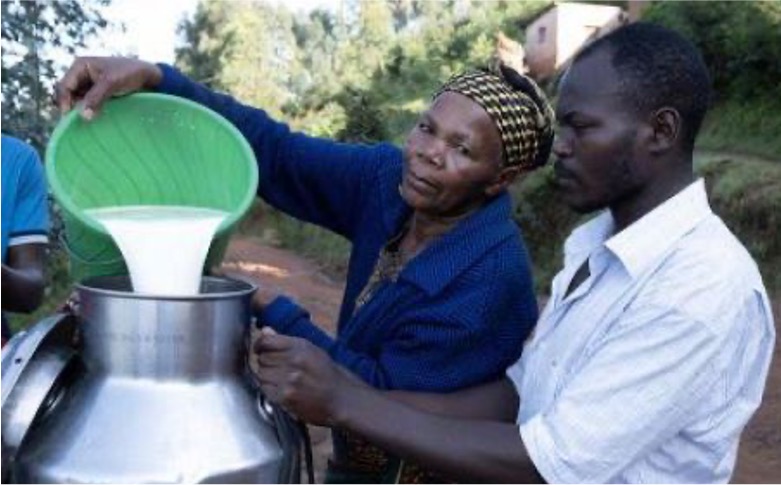
The strategy includes a national livestock council and a six-pillar growth program. Public-private partnerships with firms like Arla and Promasidor drive sector momentum. Nigeria, the largest milk and dairy market in West Africa, is advancing a strategy to boost local production and reduce import dependence. Minister of Livestock Development Idi Mukhtar Maiha announced that the…
India’s FPOs: Unlocking Dairy Sector Potential
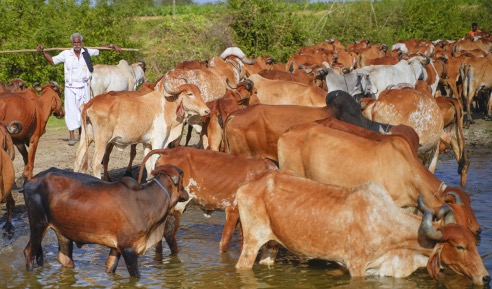
A comprehensive study published in Nature examines the evolution and challenges of Farmer Producer Organizations (FPOs) in India, highlighting their transformative role in the agricultural sector, including dairy. Analyzing 64 peer-reviewed articles from 2002 to 2023, the research underscores the significance of FPOs in enhancing market access, financial inclusion, and technological adoption for small and…
Australian Dairy Farmers Disheartened by Low Milk Prices
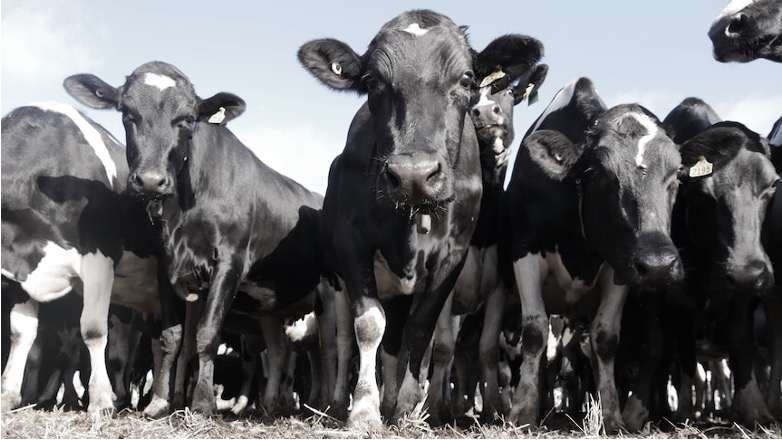
Australian dairy farmers are expressing deep concern over the recently announced opening farm gate milk prices for the upcoming financial year. Despite a slight increase from the previous year, with prices ranging between $8.60 and $9.20 per kilogram of milk solids, many farmers argue that these rates fall short of covering escalating production costs. The…