Real California Milk Excelerator Boosts Dairy Brand Innovation
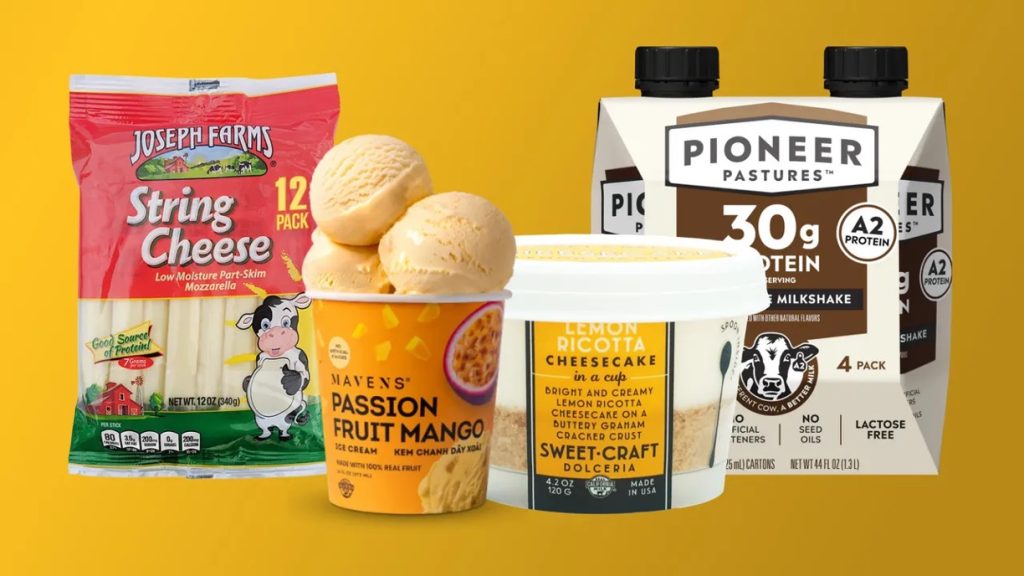
The Real California Milk Excelerator, run by the California Milk Advisory Board (CMAB) in partnership with innovation firm VentureFuel, has once again put the spotlight on dairy innovation by supporting emerging and growth-stage dairy brands that use real California milk to meet evolving consumer needs for protein, clean labels, sustainability and indulgence. The program combines…
We’re in survival mode’: The milk price crisis draining dairy farms
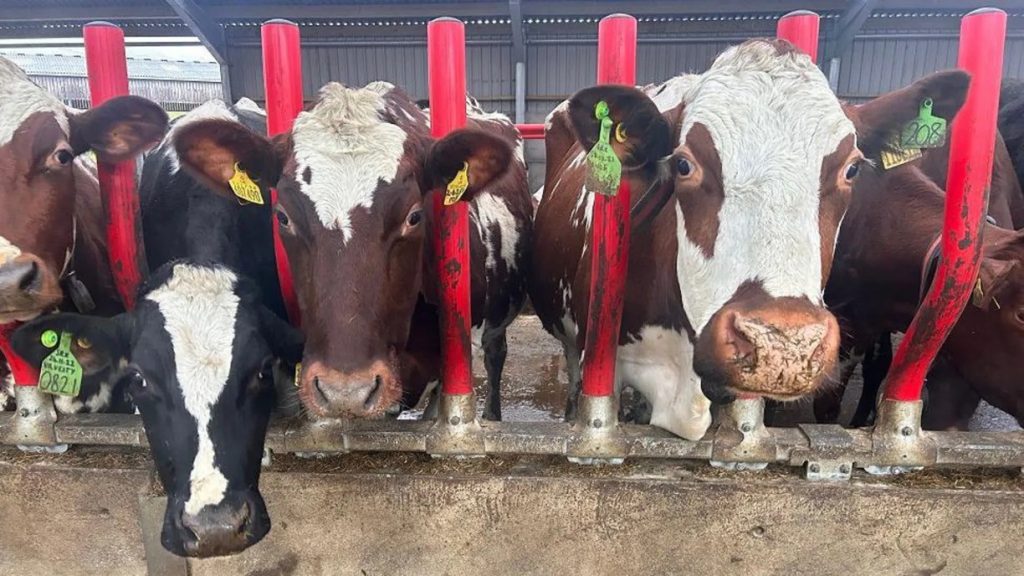
When Adam and Lucy Johnstone took over a dairy farm in the south-west of Scotland two years ago, they were able to make a comfortable profit from the milk produced from their herd of 60 cows. But over the last three months the price they receive for each litre of milk from dairy giant Arla…
WHO Issues Global Call for Data on Fatty Acid Composition of Bovine Milk

The World Health Organization (WHO) has issued a public call for data on the fatty acid composition of bovine milk, seeking comprehensive global information on the types and amounts of fatty acids — including butyric acid (C4:0) and ruminant trans-fatty acids (R-TFAs) — in whole milk, milk powder and milk fats. This data initiative, open…
20% Drop in Nitrogen Fertiliser Use on Dairy Farms

Dairy farms in New Zealand have recorded a roughly 20% reduction in nitrogen fertiliser use over the past few years, reflecting a combination of regulatory limits, higher input prices and changes in farm management practices. According to a report by the Fertiliser Association of New Zealand, mandatory reporting on fertiliser use and an annual cap…
World Pays More, Demands More: New Frontier of Dairy Trade

Higher prices, tighter rules and an uncomfortable truth for the industry: without compliance, there is no market The start of 2026 has delivered a signal the global dairy industry cannot afford to ignore. International prices have strengthened decisively. Milk powder values have moved above USD 3,300 per metric ton, even for lower-margin reference products, reshaping expectations…
Midan’s Top 10 Meat & Dairy Trends to Watch in 2026

Midan Marketing has published its annual Top 10 meat and dairy industry trends for 2026, highlighting the forces likely to shape consumer behaviour, product development and value-chain strategies in the year ahead. The forecast integrates continuous consumer tracking with marketplace evaluation to offer a forward-looking view of what will matter most in meat and dairy…
U.S. Dietary Guidelines Overhaul Raises Dairy, Meat
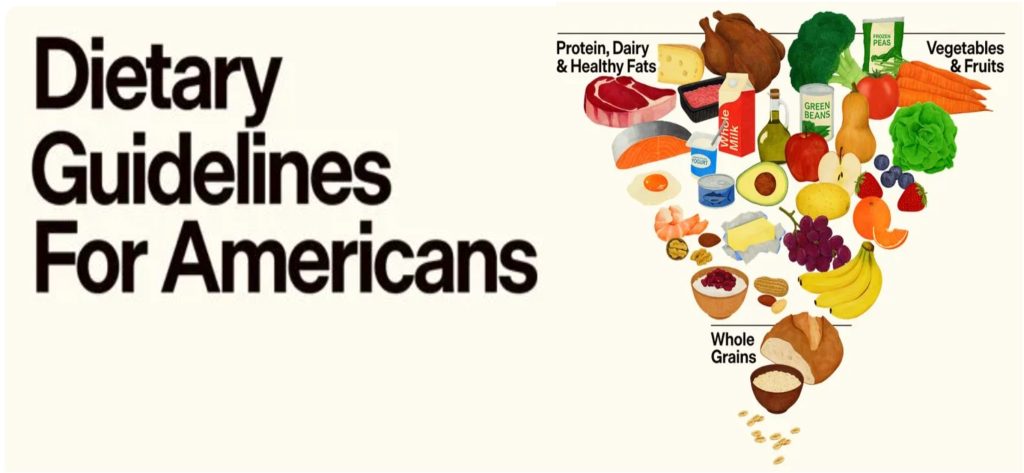
The newly released 2025–2030 U.S. Dietary Guidelines, unveiled by Health Secretary Robert F. Kennedy Jr. and the Department of Agriculture, represent a major shift in federal nutrition policy, placing meat, full-fat dairy, protein and healthy fats at the top of an inverted food pyramid, while strongly discouraging highly processed foods and added sugars as part…
Spoiled Dairy Becomes 3D Printing Plastic
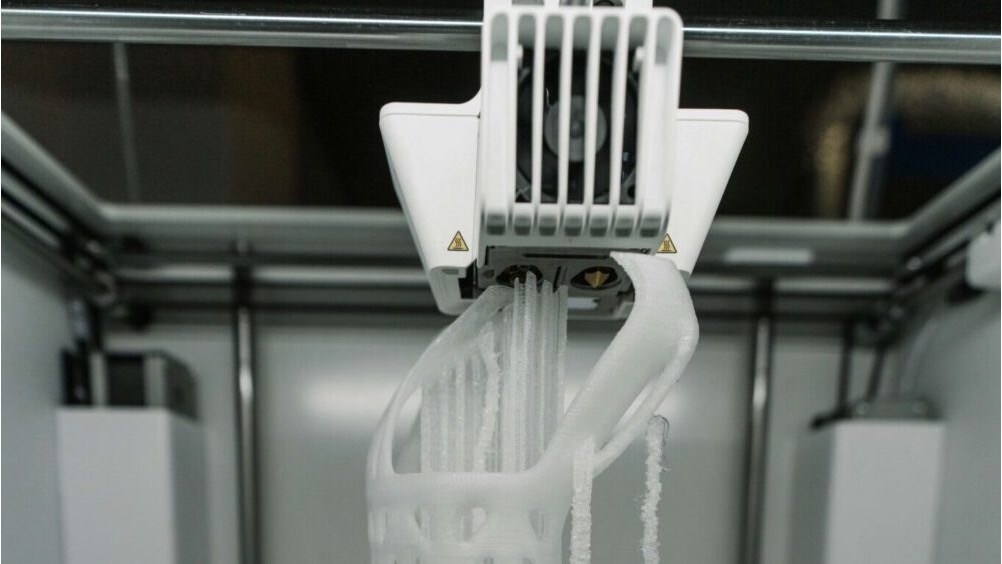
Researchers patent a biomaterial from wasted milk proteins, creating biodegradable 3D printing filament and a potential new revenue stream for dairy. Excess milk that once flowed down farm drains during the COVID-19 pandemic has inspired an innovative biomaterials breakthrough: scientists are converting dairy waste into biodegradable plastic for 3D printing. At the University of Wisconsin-Platteville, Dr. John…
Milk production declines amid rising water costs
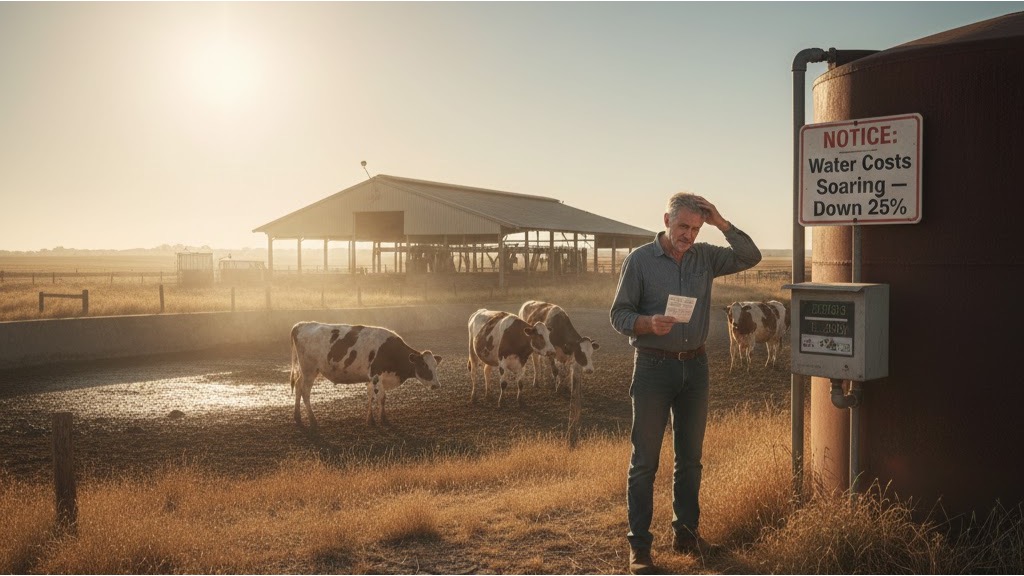
Dairy producers across Victoria are facing a tightening operating environment, with declining milk flows and escalating water and fodder costs, according to the Dairy Australia Situation and Outlook Year-end 2025 report. Milk production in northern Victoria has slipped 3.2 per cent year-to-date, reflecting the combined impact of dry conditions, high feed costs and mounting irrigation pressures. After…
GLP-1 Weight-Loss Drugs Reshape Dairy Demand Patterns
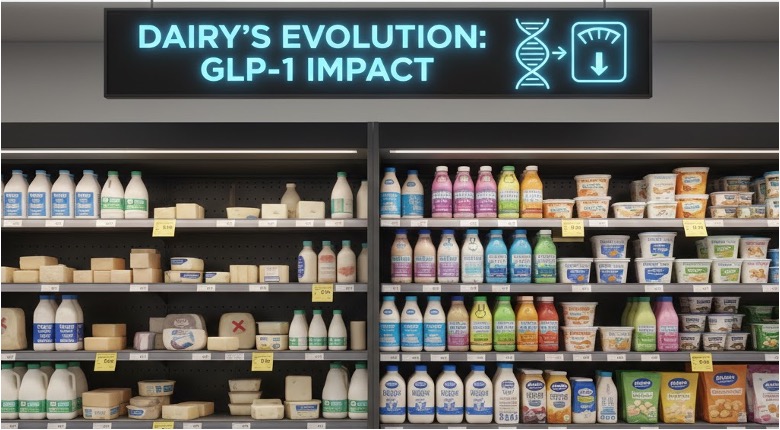
The rapid rise of GLP-1 weight-loss medications — drugs that suppress appetite and are increasingly used beyond clinical diabetes management — is having a noticeable impact on consumer dairy consumption patterns and industry dynamics. As more consumers adopt these therapies, the dairy sector is adjusting to emerging shifts in dietary preferences and product demand. GLP-1…