U.S. Dairy Lobbies to Weaken Carbon Accounting Rules
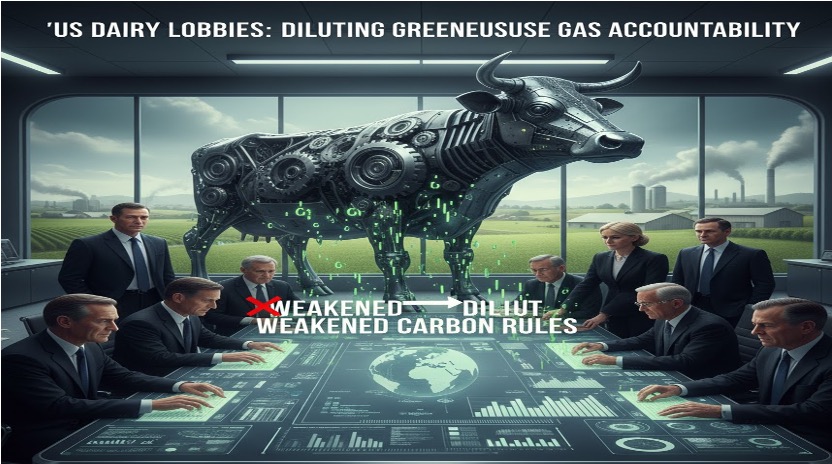
Trade bodies representing major U.S. dairy producers are pushing to dilute international emissions-accounting standards in a way that could enable double-counting of carbon reductions, according to DeSmog. Documents obtained by the climate watchdog show that groups like the Innovation Center for U.S. Dairy, the National Milk Producers Federation, and the International Dairy Foods Association (IDFA)…
Milk vs Starter: Balancing Calf Growth and Feed Choices
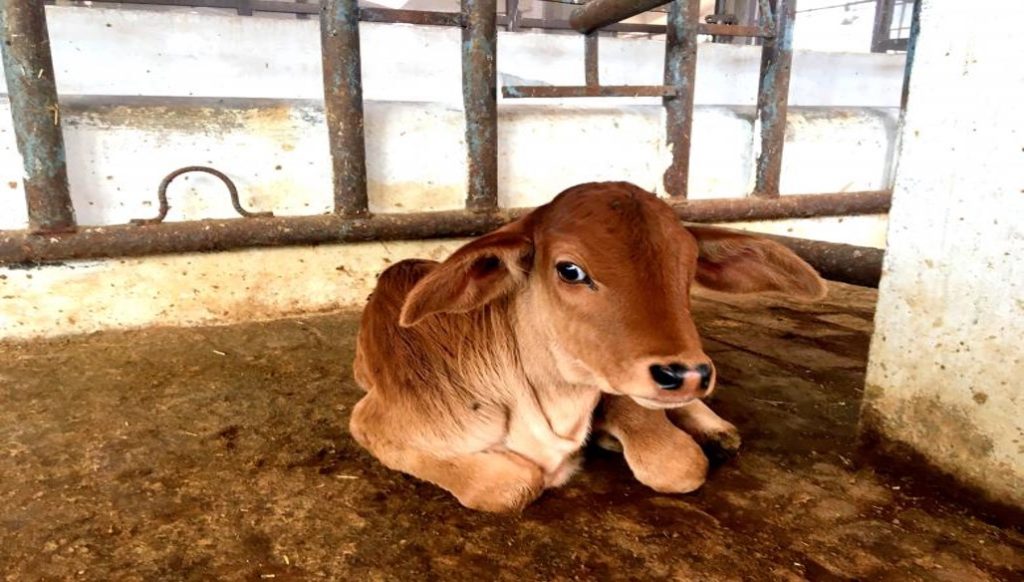
Feeding more milk or milk replacer to calves has become increasingly common, offering improved early weight gain. However, this approach reduces starter feed intake—a crucial factor for smooth weaning and rumen development. A study conducted with 73 Holstein heifer calves in Iran examined how milk levels and starter composition affect growth outcomes. The calves, averaging…
USDA Resumes WASDE Report After October Gap
The United States Department of Agriculture (USDA) has resumed the publication of its monthly World Agricultural Supply and Demand Estimates (WASDE) report in November, following a pause in October due to the government shutdown. The November report was released on 14th November and provides updated global and domestic forecasts across crops and livestock, including insights…
Methane Reduction Crisis: Danish Farmers Halt Bovaer Feed!
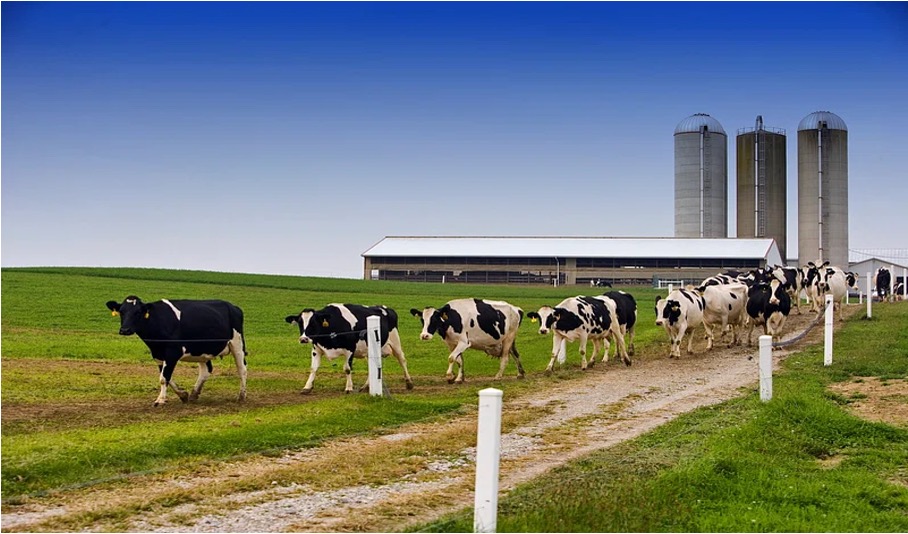
Widespread cow health issues and reports of poisoning force producers to defy a mandatory government mandate for the 3-NOP additive. A severe controversy has ignited within the Danish dairy sector after numerous farmers claim the methane-reducing feed additive Bovaer is causing serious health problems in their herds, prompting producers to halt its use despite government mandates. Farmers across the nation, approximately 1,400 of whom began feeding the…
NZ Dairy Feature: Farmers Flush with Cash, but Risk Looms
New Zealand dairy farmers are riding high this year: a record $10/kgMS milk payout from Fonterra, coupled with a $3.2 billion capital return after the co-op sold its consumer brands (like Mainland) to Lactalis. But this windfall comes with a caution. The central concern? If farmers reinvest heavily into more production, they risk repeating history:…
How Infrared Imaging Spots Subclinical Mastitis Early
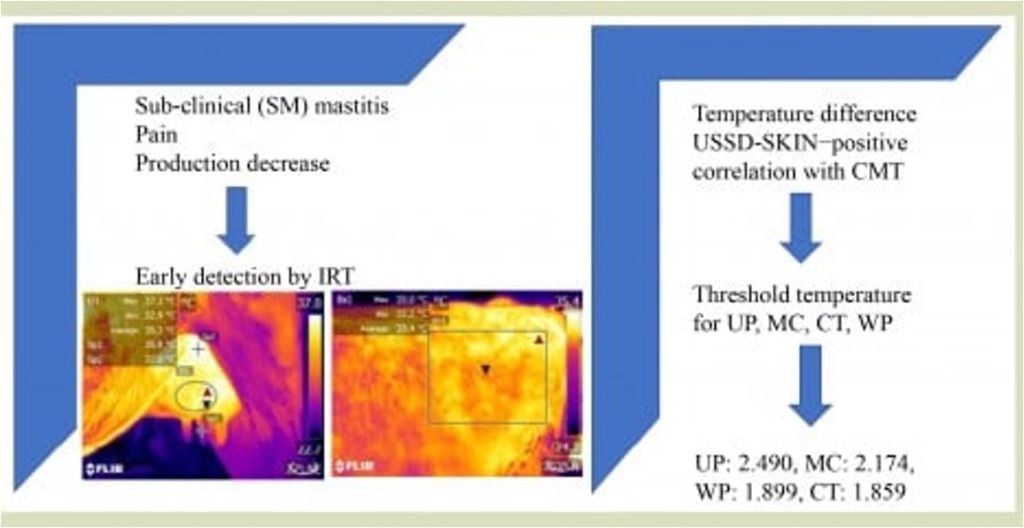
The article describes how infrared thermography (IRT)—a non-invasive imaging method—can accurately screen for subclinical mastitis (SM) in dairy cows by measuring the skin surface temperature of the udder relative to surrounding body parts. In one dataset cited, SM-positive quarters (udder quarters) showed a statistically significant higher udder skin surface temperature (USST) compared with healthy quarters….
Thailand declares its cow milk 100% safe: Minister
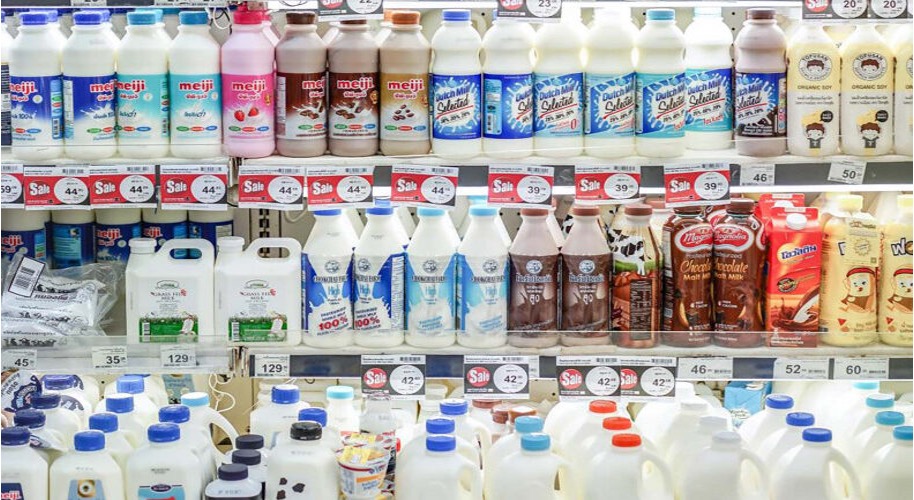
Thailand’s Department of Livestock Development (DLD) has reaffirmed that locally produced cow milk is completely safe and meets international food safety standards. The assurance came amid growing consumer concerns triggered by social media posts questioning milk purity. Livestock Development Minister Thammanat Prompao stated that rigorous monitoring systems are in place at every stage of the…
IFF’s 2026 Dairy Trends: Purpose-Driven Growth Ahead

The global dairy sector is entering a new phase, according to IFF’s latest “2026 Dairy Trends Report”, which signals that consumer behaviour is shifting beyond simple nutrition toward purpose, sustainability and holistic wellbeing. IFF highlights that dairy brands must now consider not just what their products deliver, but why they exist — aligning with evolving…
Dairy cows in UK breed reduce methane — “Cool Cows” project
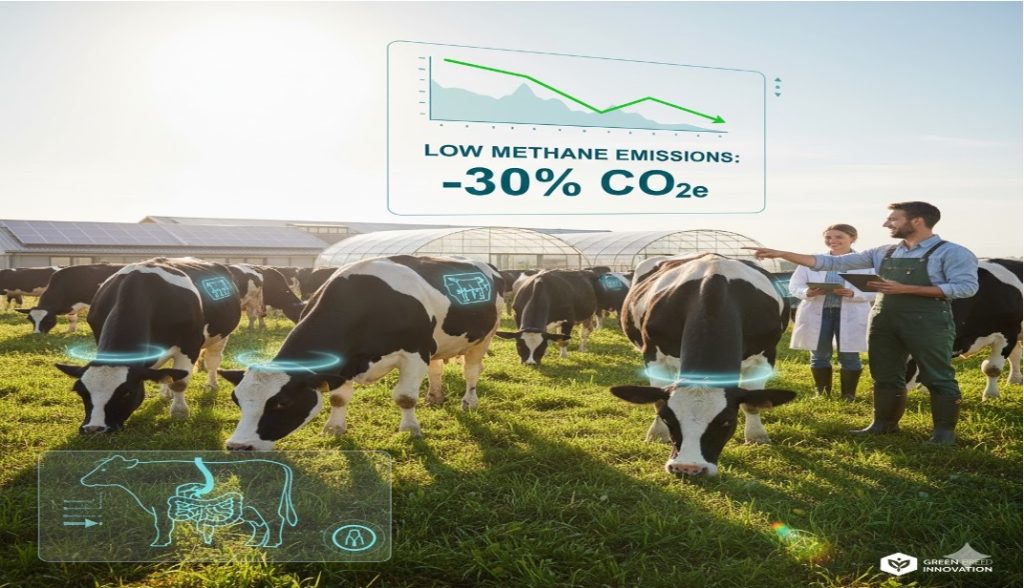
Researchers in the UK are working on an innovative project known as the Cool Cows initiative, which aims to reduce methane emissions from dairy cows by using genetic selection and in-vitro fertilisation (IVF) to breed animals that naturally emit less methane. According to the reporting, each new generation of cows bred under this programme could…
India’s dairy sector sustains strong growth momentum
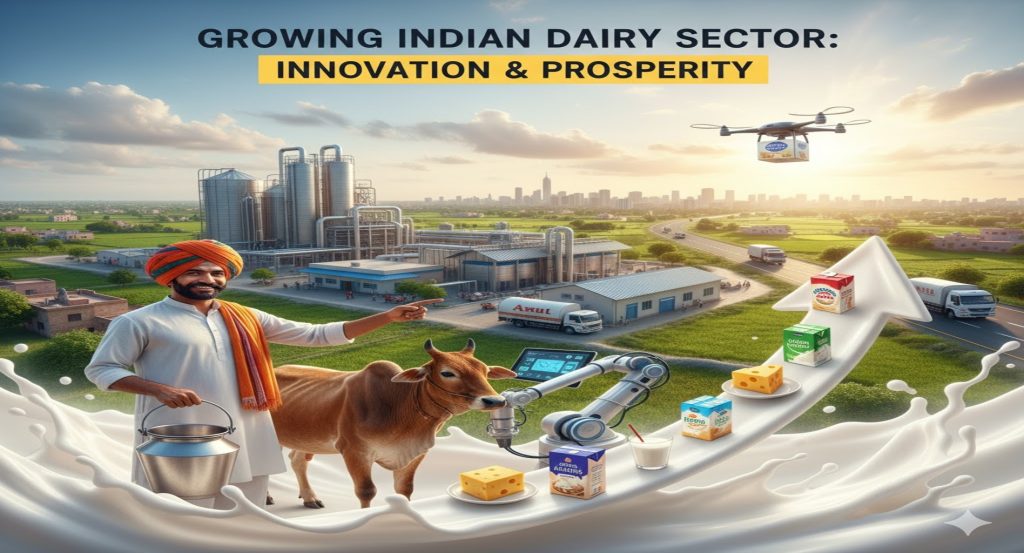
India’s dairy sector continues to evolve as one of the most dynamic components of the global food economy, according to a recent assessment by the Agriculture and Horticulture Development Board (AHDB), UK. Despite facing challenges like climate variability and rising production costs, India remains the world’s largest milk producer and consumer, accounting for nearly a…