Rajahmundry Milk Incident: Accident or Adulteration?
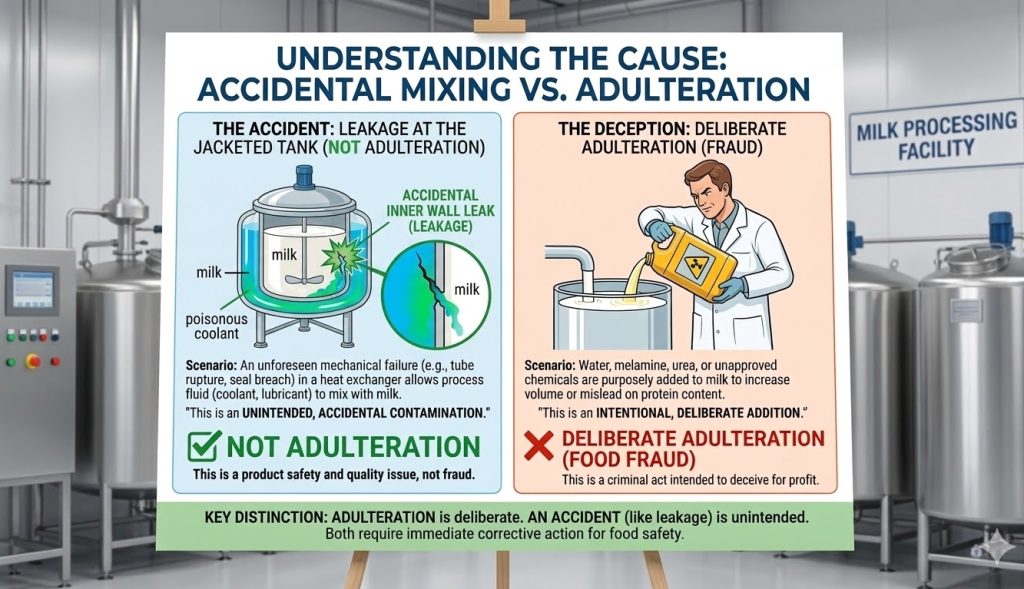
The recent editorial “Bitter Milk” published by The Hindu raises important concerns about food safety in India. The editorial deserves appreciation for attempting to broaden the conversation and underline the need for stronger governance and enforcement in the food sector. The tragedy reported in Rajahmundry, where milk contaminated with ethylene glycol reportedly led to several…
Milk Prices Rise in South & West: Is North Next?
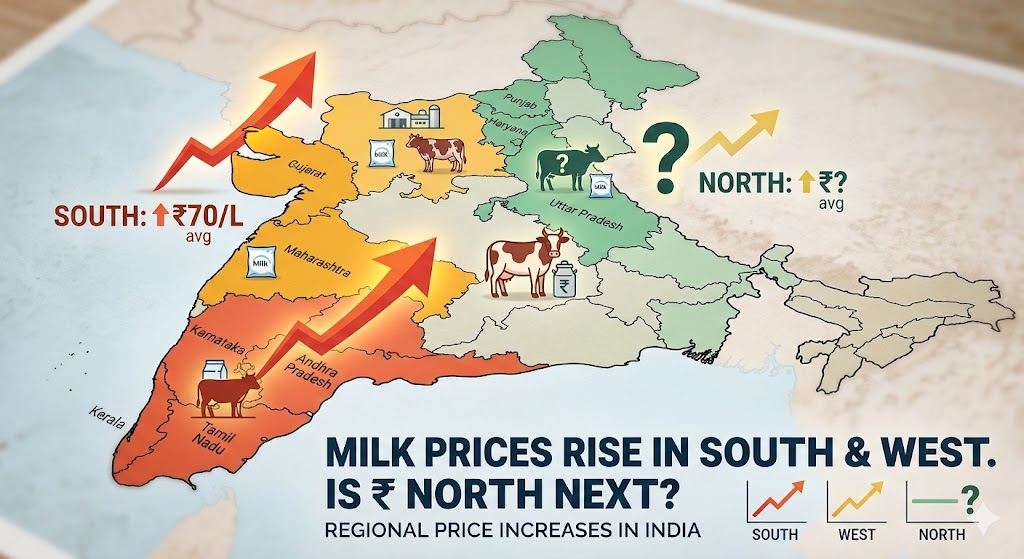
The recent round of retail milk price increases across South India and Maharashtra is no longer an episodic adjustment but a clear signal of structural stress building up in India’s milk economy. Over the past few months, multiple dairy companies in the southern states have revised retail prices upward by ₹2–₹3 per litre, largely through…
India’s Dairy Climate Paradox: Production Triumph Meets Methane Time-Bomb
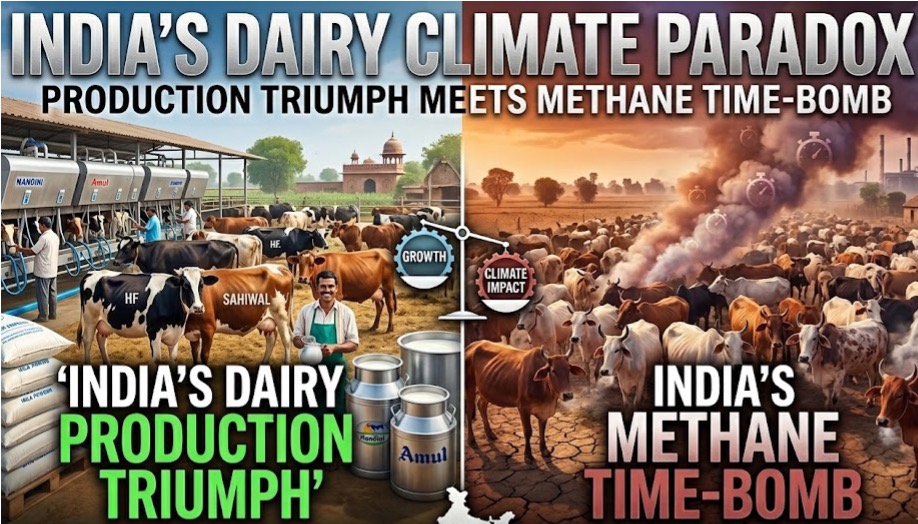
India’s rise to the top of the global dairy league board has been one of the most remarkable agricultural success stories of the 21st century. With milk production surpassing 247 million tonnes per year and household incomes rising in hinterland India, this narrative of abundance is rightly a source of pride. Yet beneath the figures…
India’s First Cow Culture Museum in Mathura
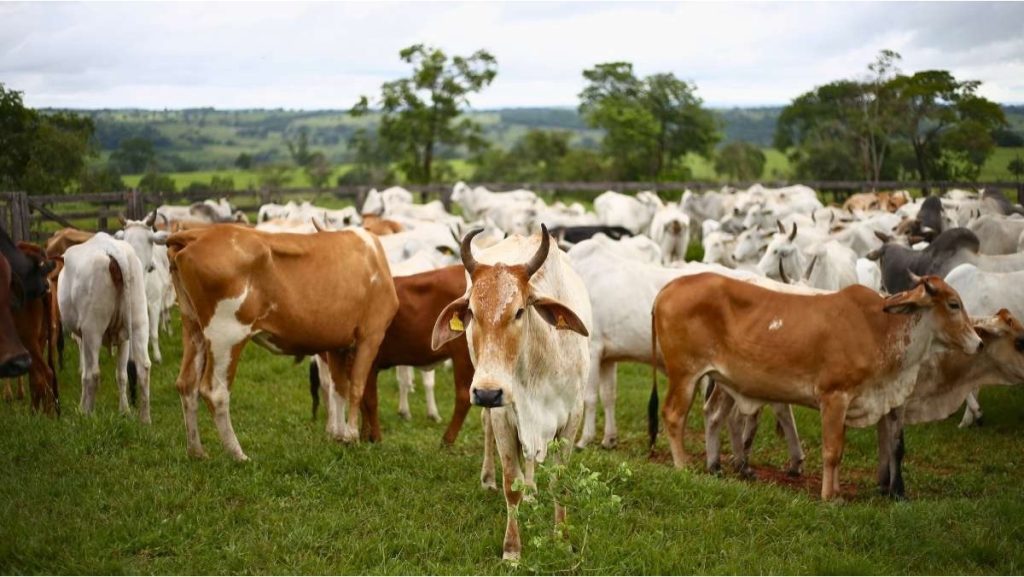
India’s first national “Cow Culture Museum” is set to be established in Mathura, Uttar Pradesh, on the campus of Pandit Deendayal Upadhyaya Veterinary Science University, announced the Uttar Pradesh Braj Teerth Vikas Parishad. The project, initiated with state support, aims to showcase the religious, cultural, spiritual and scientific significance of cows and their products, promoting…
Why India’s Dairy Needs a National Fodder Grid ?
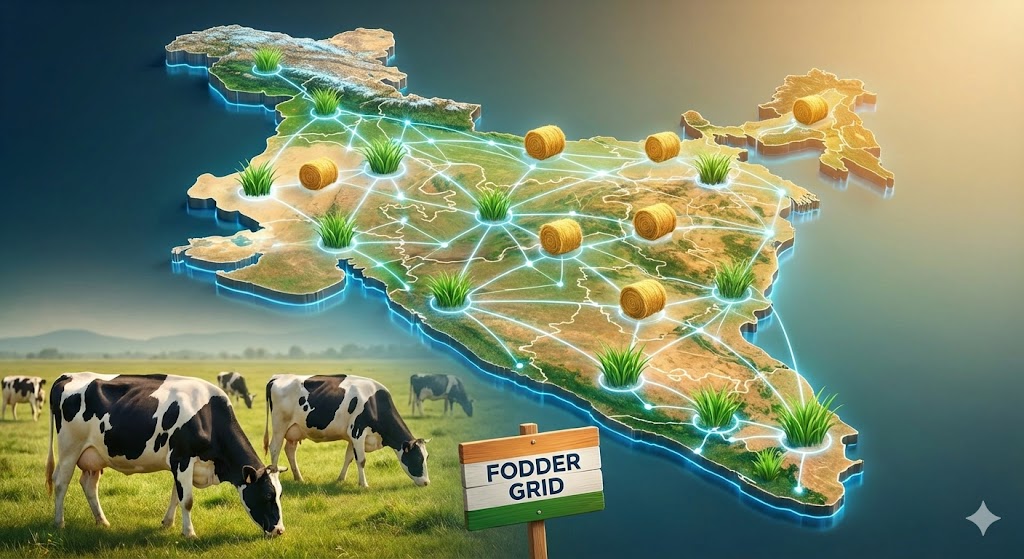
Recently, I moderated the Farmer’s session at 52nd DIC. While deliberating on pathways for Kerala to move towards milk self-reliance, K S Mani, Chairman of Milma, articulated a compelling thought: just as the National Power Grid allows surplus electricity to flow to deficit states, India needs a National Fodder Grid so that fodder surplus regions…
Coliform in Milk -Look Beyond Brands to Cold Chain Gaps
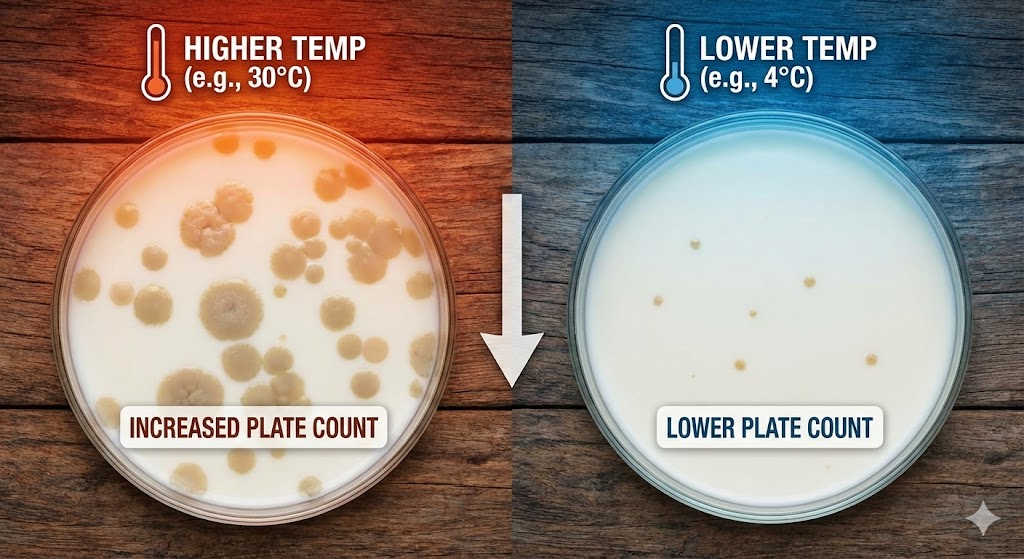
Recent independent lab tests have triggered alarm over coliform bacteria and high total plate counts (TPC) in popular pouch milk brands — Amul Taaza, Amul Gold, Mother Dairy and Country Delight — with counts far exceeding FSSAI’s safety limits in some samples. Amul Taaza’s coliform levels were reported at 98× the prescribed limit, Mother Dairy’s…
DDGS & Sorghum Imports: Impact on Feed and Maize Prices
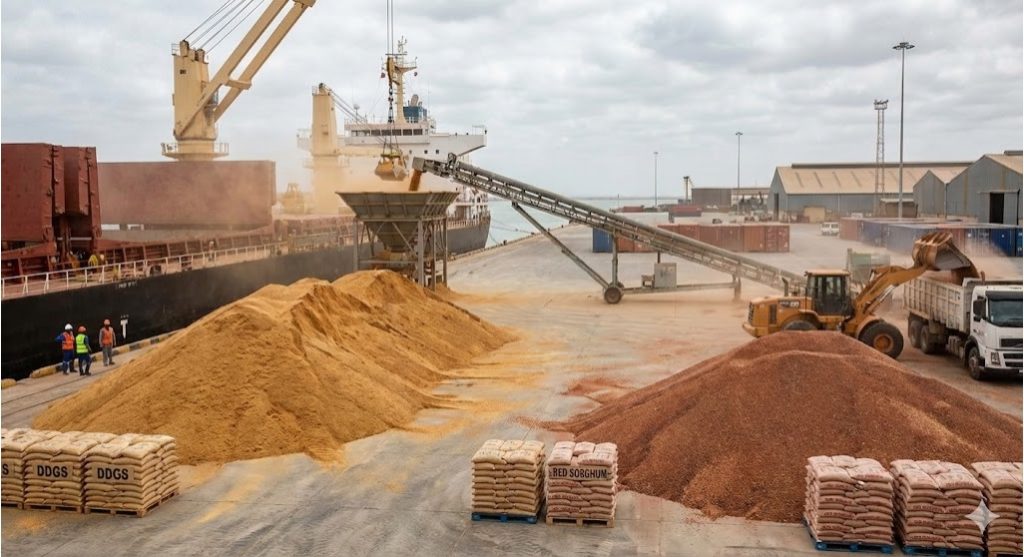
In a significant development under the India-US interim trade framework, India has agreed to allow duty-free imports of dried distillers’ grains with solubles (DDGS) and red sorghum from the United States. The move has sparked intense debate among stakeholders across the livestock, feed and farming ecosystems, with divergent views on its influence on feed costs,…
Budget 2026: Highest Allocation Ever, Yet Dairy Farmers Still Wait
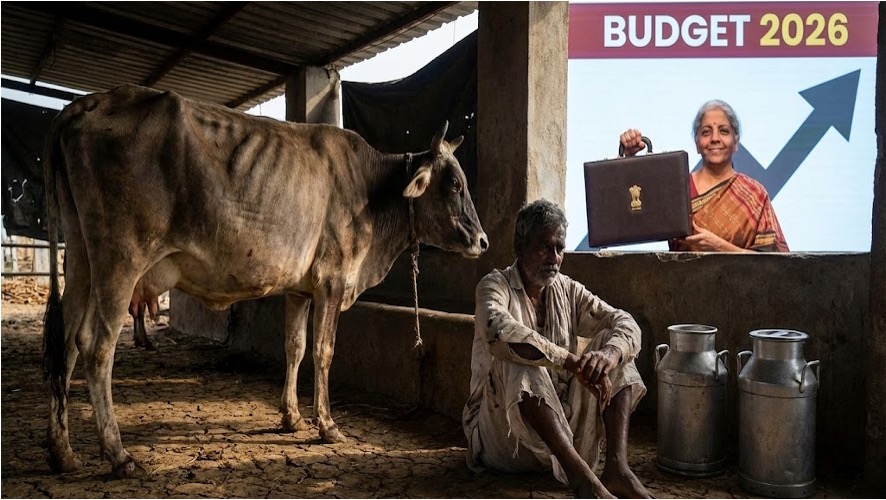
As Finance Minister Nirmala Sitharaman presented the Union Budget 2026–27 in Parliament on 1 February 2026, the government reiterated its commitment to agriculture and allied sectors — including animal husbandry, dairying and livestock — as engines of rural employment and farm incomes. While the budget speech highlighted interventions across fisheries, entrepreneurship and ecosystem support, a…
How a fridge could unlock modern dairy cattle breeding
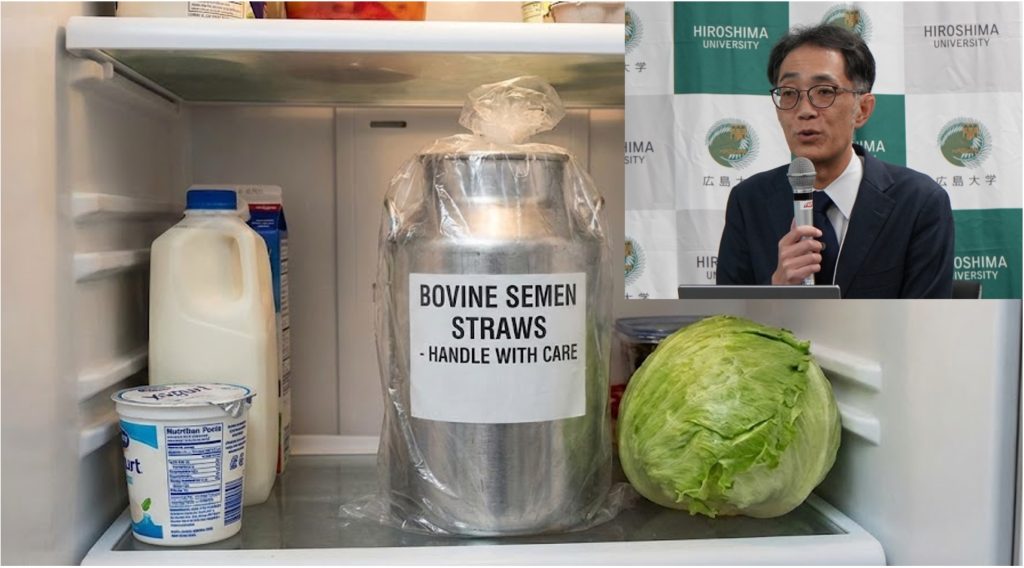
A Hiroshima University-led project has secured a $1.8 million grant from the Gates Foundation to develop a way to store bull semen using simple refrigeration instead of costly liquid nitrogen, a shift that could remove a major barrier to modern dairy cattle breeding that has long excluded farmers in low-resource regions. If successful, the technology…
Economic Survey 2026: Why Dairy Holds the Key to Farm Incomes
The Economic Survey 2025–26 quietly but clearly reinforces a reality that those working closely with rural India already know: dairy is no longer just a subsidiary activity to agriculture, it is the backbone of income security for millions of small and marginal farmers. As crop agriculture becomes increasingly vulnerable to climate variability, market volatility and…